

Время публикации:2026-01-05 08:01:10
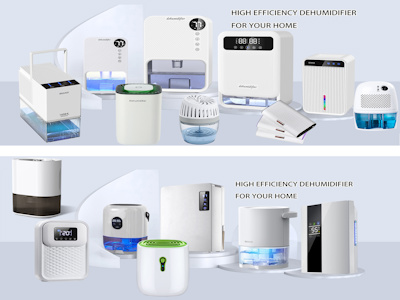
Зима приносит с собой не только снег и праздники, но и одну неприятную проблему – сухость воздуха в наших домах. Эта тема актуальна для миллионов людей по всему миру, особенно в регионах с холодным климатом, где отопительные системы работают на полную мощность. Сухой воздух может вызывать множество проблем: от дискомфорта до серьезных заболеваний. В этой статье мы подробно разберем, почему возникает сухость воздуха зимой, как она влияет на наше здоровье и, самое главное, как эффективно с ней бороться. Мы рассмотрим как современные технологические решения, так и простые домашние методы, которые помогут вам поддерживать оптимальную влажность в вашем жилище. Цель этой статьи – предоставить вам исчерпывающую информацию, которая позволит вам создать здоровую и комфортную атмосферу дома в течение всей зимы.
Чтобы понять, как бороться с сухостью воздуха, сначала нужно разобраться в причинах ее возникновения. Основная причина – это работа отопительных систем. Когда на улице холодно, мы включаем обогреватели, радиаторы или системы центрального отопления. Эти устройства нагревают воздух, но при этом снижают его относительную влажность. Относительная влажность – это количество водяного пара в воздухе по сравнению с максимальным количеством, которое воздух может удерживать при данной температуре. При нагревании воздух расширяется и способен удерживать больше влаги, но если дополнительная влага не добавляется, относительная влажность падает. Например, если на улице температура -10°C и влажность 80%, при нагревании этого воздуха до +20°C внутри помещения его относительная влажность может упасть до 20-30%, что считается очень сухим. Это простое физическое явление объясняет, почему даже в регионах с высокой влажностью на улице, внутри домов воздух может быть чрезвычайно сухим. Кроме того, современные строительные материалы и герметичные окна уменьшают естественную вентиляцию, что усугубляет проблему, так как влага из воздуха не пополняется. Также зимой мы меньше проветриваем помещения из-за холода, что further contributes to the accumulation of dry air. Understanding these mechanisms is the first step toward effective solutions.
Сухой воздух не просто вызывает дискомфорт; он может иметь серьезные последствия для здоровья. Одной из первых страдает дыхательная система. Носовые проходы и горло высыхают, что делает их более восприимчивыми к инфекциям, таким как простуда и грипп. Слизистые оболочки, которые обычно trap pathogens, become less effective, increasing the risk of illness. People with asthma or allergies may experience worsened symptoms, as dry air can irritate the airways and trigger attacks. Skin is another major victim; low humidity leads to dryness, itching, and even eczema flare-ups. Eyes can become dry and irritated, especially for those who wear contact lenses or spend long hours in front of screens. Additionally, dry air can exacerbate conditions like static electricity, which though not directly harmful, can be annoying and potentially damage electronic devices. Long-term exposure to very dry air has been linked to chronic respiratory issues and decreased immune function. It's clear that maintaining proper humidity is not just about comfort but about overall well-being. By addressing dryness, we can improve our health and quality of life during the winter months.
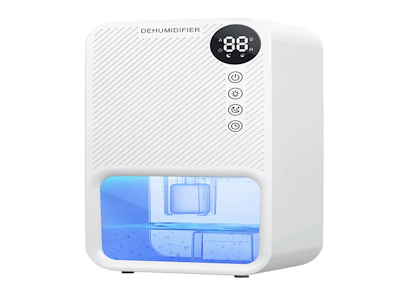
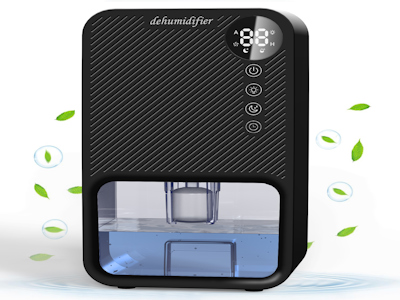
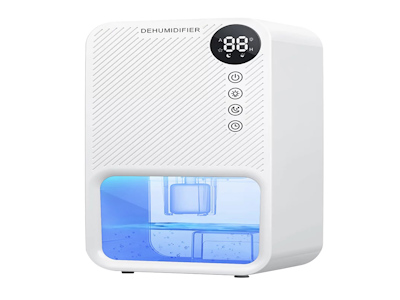
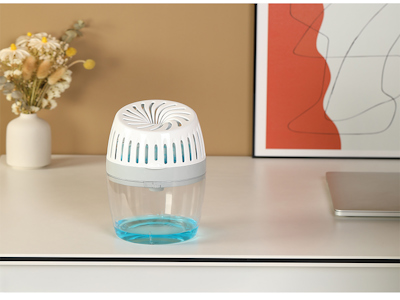
Одним из самых эффективных способов борьбы с сухостью воздуха является использование увлажнителей. Эти устройства специально designed to add moisture to the air and come in various types. Ultrasonic humidifiers use high-frequency vibrations to create a fine mist, which is then released into the air. They are quiet and energy-efficient, making them popular for bedrooms. Evaporative humidifiers work by blowing air through a wet wick or filter, naturally humidifying the air without over-humidifying. Steam humidifiers heat water to produce steam, which cools before entering the room; they are effective but can consume more energy. When choosing a humidifier, consider factors like room size, maintenance requirements, and additional features such as humidistats (which measure humidity levels) or built-in filters. It's important to clean humidifiers regularly to prevent mold and bacteria growth. For optimal results, aim to maintain indoor humidity between 40% and 60%, as recommended by health experts. Using a hygrometer can help monitor levels. While humidifiers are a powerful tool, they should be used in conjunction with other methods for best results, especially in larger homes or very dry climates.
Если вы не хотите инвестировать в специализированную технику, есть множество простых и доступных способов повысить влажность воздуха дома. Один из classics – placing bowls of water near heat sources, such as radiators. As the water evaporates, it adds moisture to the air. You can add essential oils for a pleasant scent, but avoid overdoing it as some oils might irritate. Another method is to hang wet towels or clothes to dry indoors; this not only humidifies the air but also saves energy on drying. Houseplants are natural humidifiers; plants like peace lilies, spider plants, or Boston ferns release moisture through transpiration. Just ensure they are well-watered. Cooking without lids or taking hot showers with the bathroom door open can also release steam into the air. For a quick boost, boil water on the stove – but be cautious to avoid accidents. These methods are cost-effective and easy to implement, though they may not be as precise or efficient as humidifiers. Combining several of these can help maintain a comfortable humidity level without breaking the bank.
В дополнение к увлажнению, есть other steps you can take to combat dry air. Ensure proper ventilation by occasionally opening windows for short periods, even in cold weather, to allow fresh air in and stale air out. Use exhaust fans in kitchens and bathrooms to remove excess moisture from activities like cooking and showering, but balance this to avoid over-drying. Seal drafts around windows and doors to prevent cold, dry air from entering, but don't make the space too airtight. Consider using a humidifier with a built-in humidistat for automated control. Also, stay hydrated by drinking plenty of water, as this helps your body cope with dry conditions. In conclusion, battling dry air in winter is essential for health and comfort. By understanding the causes, employing modern tools like humidifiers, and utilizing simple home remedies, you can create a cozy and healthy indoor environment. Remember, consistency is key – make humidity control a regular part of your winter routine. With these strategies, you'll be well-equipped to enjoy the winter season without the drawbacks of dry air.
 Горячая линия:

 1388xx888xx