
Время публикации:2026-01-01 08:01:10
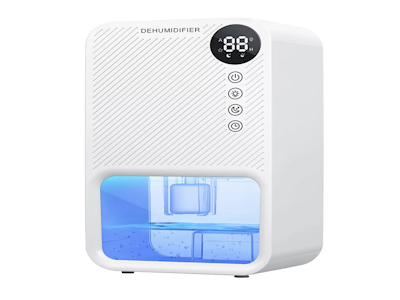
Влажность – это скрытый враг любого склада. Она может привести к порче товаров, коррозии оборудования и даже к проблемам со здоровьем сотрудников. В этой статье мы раскроем 10 шокирующих способов, которые помогут вам эффективно бороться с влажностью и сохранить ваш склад в идеальном состоянии. Эти методы не только практичны, но и основаны на последних технологиях и исследованиях. Готовы удивиться? Давайте начнем!
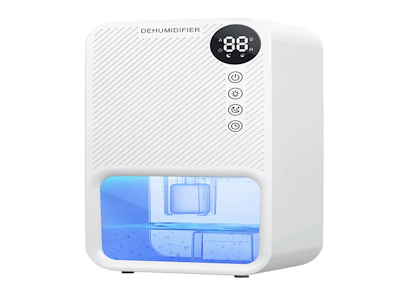
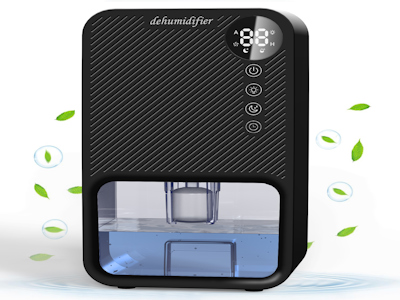
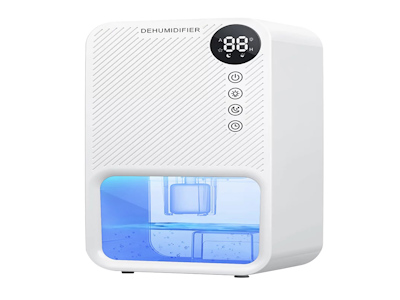
Современные осушители воздуха – это не просто устройства, а высокотехнологичные системы, способные удалять до 100 литров воды в сутки. Они оснащены интеллектуальными датчиками, которые автоматически регулируют уровень влажности в зависимости от условий окружающей среды. Например, модели с тепловыми насосами могут работать при температурах до -10°C, что делает их идеальными для неотапливаемых складов. инвестиции в такой осушитель окупаются за счет снижения потерь от порчи товаров и энергии.
Кроме того, эти устройства часто интегрируются с системами умного дома, позволяя удаленно контролировать и управлять влажностью через смартфон. Представьте: вы получаете уведомление о повышении влажности, пока находитесь в отпуске, и можете сразу принять меры. Это не просто удобно – это революционно!
Правильная вентиляция – ключ к контролю влажности. Системы приточно-вытяжной вентиляции не только обеспечивают постоянный воздухообмен, но и могут быть оснащены рекуператорами тепла, что снижает энергопотребление. Шокирующий факт: некоторые современные системы используют алгоритмы искусственного интеллекта для прогнозирования изменений влажности и автоматической корректировки работы. Это позволяет предотвратить проблемы до их возникновения, экономя деньги и ресурсы.
Например, на крупных складах такие системы могут снизить относительную влажность с 80% до 50% всего за несколько часов, значительно уменьшая риск образования конденсата и плесени. Это особенно важно для хранения чувствительных товаров, таких как электроника или продукты питания.
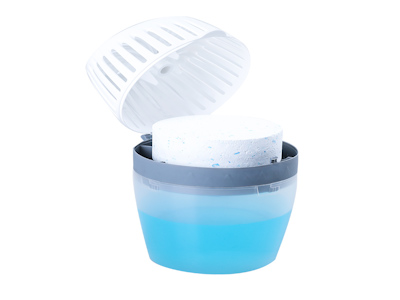
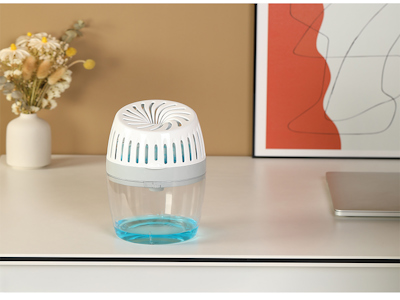
Традиционные методы, такие как использование силикагеля, ушли в прошлое. Сегодня доступны инновационные влагопоглощающие материалы, например, на основе цеолита или активированного угля, которые могут поглощать влагу в 10 раз эффективнее. Эти материалы часто используются в виде панелей или картриджей, которые легко заменять и утилизировать. Они идеально подходят для локального контроля влажности в specific зонах склада, таких как углы или места с повышенной сыростью.
Что шокирует: некоторые из этих материалов способны регенерироваться при нагреве, что делает их многоразовыми и экологически friendly. Это не только экономит средства, но и сокращает отходы, contributing to sustainable складскому управлению.
Гидроизоляция – это фундаментальный способ защиты склада от внешней влаги. Современные покрытия, такие как полимерные мембраны или жидкая резина, создают непроницаемый барьер, предотвращая проникновение воды из грунта или через стены. Шокирует то, что некоторые из этих материалов могут самовосстанавливаться при повреждениях, thanks to nanotechnology. Например, если покрытие треснет, микрочастицы активируются и заполняют трещину, обеспечивая долговременную защиту.
Кроме того, эти покрытия often include additives that inhibit mold growth, providing dual protection. инвестиции в качественную гидроизоляцию can save up to 30% on maintenance costs in the long run, making it a smart choice for any warehouse manager.
Тепловые завесы – это не только для обогрева; они эффективно предотвращают проникновение влажного воздуха при открытии дверей. Современные модели используют инфракрасные технологии, которые создают невидимый барьер, сохраняя внутренний климат stable. Шокирующий аспект: некоторые завесы can reduce humidity ingress by up to 90%, significantly lowering the risk of condensation on stored goods.
Это особенно полезно для складов in humid climates or those with frequent door openings, such as distribution centers. By maintaining a dry environment, thermal curtains help preserve product quality and reduce energy costs associated with dehumidification.
Интернет вещей (IoT) revolutionized humidity control. Wireless sensors can be placed throughout the warehouse to continuously monitor humidity levels and send real-time alerts to managers. What's shocking is that these systems can predict problems using machine learning, analyzing historical data to foresee humidity spikes before they occur. This proactive approach can prevent major losses, such as spoilage of perishable goods.
For instance, if sensors detect a rise in humidity near a leaky roof, the system can automatically activate dehumidifiers or notify maintenance teams. This level of automation not only enhances efficiency but also reduces human error, making warehouse management more reliable.
Специальные краски, содержащие терморегулирующие компоненты, can prevent condensation on walls and ceilings. These paints work by absorbing excess moisture and releasing it slowly, maintaining a balanced humidity level. The shocking part: some advanced formulations can reduce surface humidity by up to 70%, effectively eliminating mold and mildew growth without the need for additional equipment.
This is a cost-effective solution for warehouses with limited budget, as it requires only a one-time application and provides long-lasting protection. Plus, these paints are often environmentally friendly, using water-based formulas that are safe for indoor use.
How goods are stored can significantly impact humidity levels. Using pallets made from moisture-resistant materials or elevating goods off the floor can prevent moisture absorption. Shocking fact: simply organizing inventory to allow for better air circulation can reduce humidity by 15-20%. This low-tech method is often overlooked but highly effective.
For example, storing hygroscopic materials like paper or wood in sealed containers with desiccants can prevent them from absorbing moisture and releasing it back into the air. This simple practice can save thousands in replacement costs.
Natural methods, such as planting moisture-absorbing plants like peace lilies or using salt lamps, can complement mechanical systems. While not sufficient alone, they can reduce humidity by 5-10% in small areas. What's shocking is that these methods are virtually free and add a green touch to the warehouse environment.
Additionally, ensuring proper drainage around the warehouse foundation can prevent water accumulation, a common source of humidity. Regular maintenance of gutters and downspouts is crucial to keep external moisture at bay.
Building Management Systems (BMS) integrate all humidity control measures into a single platform, allowing for centralized monitoring and optimization. The shocking capability: modern BMS can use AI to learn from patterns and automatically adjust settings for maximum efficiency, potentially reducing energy consumption by 25% while maintaining ideal humidity levels.
This holistic approach ensures that all methods work together seamlessly, providing a comprehensive solution for warehouse humidity management. For large facilities, the ROI on a BMS can be achieved within a year due to saved costs on repairs and energy.
Борьба с влажностью на складе – это не просто necessity, но и opportunity to innovate. These 10 shocking methods demonstrate how technology and smart practices can transform warehouse management. By implementing even a few of these strategies, you can protect your inventory, reduce costs, and create a healthier work environment. Remember, the key is to start with an assessment of your specific needs and gradually integrate solutions that fit your budget and operations. Stay proactive, and your warehouse will remain dry and efficient for years to come!
Pro tip: Regularly monitor humidity levels with a hygrometer and keep records to track improvements. Small steps can lead to big savings!
Thank you for reading this in-depth guide. If you have questions or want to share your experiences, feel free to reach out. Together, we can make warehouses moisture-free zones!
 Горячая линия:
 1388xx888xx