Влажность в подвале – это распространенная проблема, которая может привести к серьезным последствиям, таким как плесень, грибок, разрушение структур и даже проблемы со здоровьем. Однако, многие люди совершают ошибки при попытке осушить подвал, что только усугубляет ситуацию. В этой статье мы предоставим вам экспертные советы по осушению подвала без ошибок, основанные на многолетнем опыте и научных данных. Вы узнаете, как эффективно бороться с влагой, предотвращать ее возвращение и сохранять ваш подвал сухим и безопасным на долгие годы.
Почему осушение подвала так важно?
Подвал – это часто neglected часть дома, но он играет ключевую роль в общем состоянии здания. Высокая влажность в подвале может вызвать множество проблем:
- Плесень и грибок: Эти микроорганизмы thrive во влажной среде и могут распространяться по всему дому, вызывая аллергии, астму и другие респираторные проблемы.
- Structural damage: Вода может weaken фундамент, стены и полы, leading к дорогостоящему ремонту.
- Порча имущества: Если вы храните вещи в подвале, влажность может испортить мебель, электронику, документы и другие ценные items.
- Неприятный запах: Застоявшаяся влага создает musty odors, которые могут проникать в жилые помещения.
Осушение подвала не только protects ваш дом, но и improves качество жизни. Согласно исследованиям, поддержание optimal влажности (between 30% and 50%) reduces риск health issues и увеличивает срок службы строительных материалов.
Распространенные ошибки при осушении подвала
Прежде чем перейти к советам, давайте рассмотрим common mistakes, которые люди совершают при осушении подвала. Избегая этих ошибок, вы сможете achieve лучшие results.
- Использование only вентиляторов или обогревателей: Многие думают, что просто проветривание или нагрев воздуха sufficiently осушит подвал. Однако, это temporary решение, которое не addresses root cause влажности. Вентиляторы могут circulate влажный air, а обогреватели increase испарение, но without proper осушение, влажность returns quickly.
- Игнорирование источника влаги: Часто люди focus on removing visible water, но neglect underlying issues, such as leaks, poor drainage, or high groundwater levels. Если не fix источник, осушение будет ineffective.
- Неправильный выбор оборудования: Использование неподходящих осушителей или tools can lead to inefficiency or even damage. Например, слишком мощный осушитель may over-dry air, causing cracks in wood or other materials.
- Отсутствие регулярного maintenance: Осушение – это не one-time task. Без regular checks and maintenance, влажность can quickly return.
- Самодельные методы without expertise: Некоторые пытаются использовать DIY methods like salt or chemicals, which can be hazardous or ineffective if not done correctly.
Чтобы избежать этих ошибок, follow наши expert советы below.
Шаг 1: Диагностика проблемы влажности
Первый шаг к successful осушению – это identify the cause of moisture. Влажность в подвале can come from various sources:
- Внешние источники: Дождевая вода, тающий snow, или high groundwater can seep through walls or floors. Проверьте gutter systems, downspouts, и grading around your house. Ensure that water is directed away from the foundation.
- Внутренние источники: Утечки из pipes, condensation from appliances, или human activities like laundry can add moisture. Используйте hygrometer to measure humidity levels – ideal range is 30-50%.
- Конденсация: Когда warm, moist air contacts cold surfaces like walls or pipes, it condenses into water. This is common in poorly insulated basements.
Проведите thorough inspection: look for damp spots, mold growth, musty smells, or water stains. You can use a moisture meter for more accurate readings. If the problem is severe, consider hiring a professional to conduct a detailed assessment.
Шаг 2: Выбор правильного оборудования для осушения
Once you've identified the source, it's time to choose the right tools. The most common equipment for dehumidification includes:
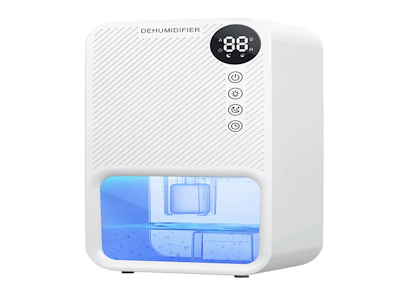
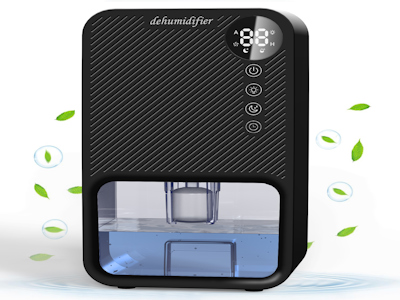
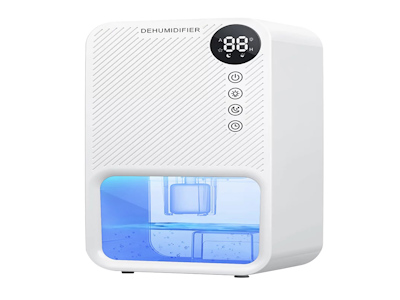
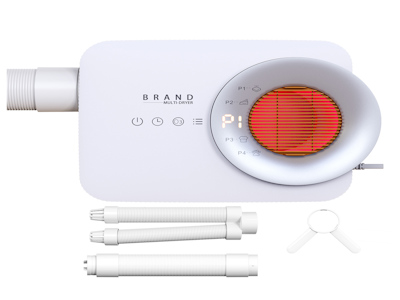
- Осушители воздуха: These are electric devices that remove moisture from the air. They come in various sizes and capacities. For basements, a capacity of 30-50 pints per day is usually sufficient for average sizes. Look for energy-efficient models with auto-humidistat controls.
- Вентиляционные системы: Improving ventilation can help reduce humidity. Install exhaust fans or use natural ventilation by opening windows when weather permits, but be cautious as this can let in more moisture if outside air is humid.
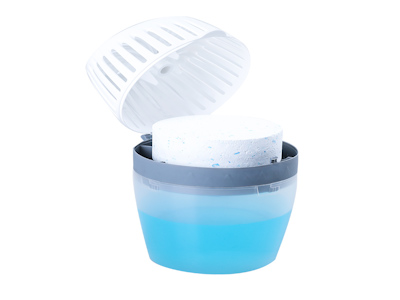
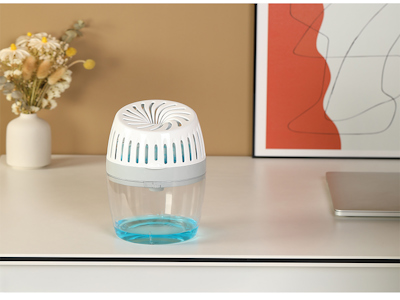
- Влагопоглотители: Chemical desiccants like silica gel can be used for small areas, but they are not practical for large basements.
- Специализированные tools: For severe cases, sump pumps or dewatering pumps may be needed to remove standing water.
При выборе осушителя, consider the size of your basement, the level of humidity, and energy consumption. Read reviews and consult experts if necessary. Remember, investing in a good quality dehumidifier can save you money in the long run by preventing damage.
Шаг 3: Подготовка подвала к осушению
Before you start dehumidifying, prepare the basement to ensure efficiency and safety:
- Remove any standing water: Use a wet vacuum or pump to eliminate pooled water. This is crucial to prevent further moisture accumulation.
- Clean and disinfect: Scrub walls, floors, and surfaces with a mixture of water and bleach or a mold-killing solution to remove existing mold and mildew. Wear protective gear like gloves and masks.
- Improve insulation: Insulate pipes and walls to reduce condensation. Use vapor barriers on walls and floors if needed.
- Seal cracks and leaks: Use hydraulic cement or sealant to fill any cracks in walls or floors. This prevents water from seeping in.
- Organize and declutter: Remove items that can trap moisture, such as cardboard boxes or old furniture. Store belongings in plastic containers with lids.
Эти preparatory steps make the dehumidification process more effective and help maintain a dry environment.
Шаг 4: Процесс осушения – методы и техники
Now, let's dive into the actual dehumidification process. Here are effective methods to dry out your basement:
- Using a dehumidifier: Place the dehumidifier in the center of the basement or near the dampest area. Set the humidity level to 45-50% for optimal results. Empty the water collection bucket regularly or use a continuous drain hose if available. Run it continuously until humidity levels drop, then use it as needed.
- Natural ventilation: On dry, sunny days, open windows and doors to allow air circulation. Use fans to blow air out of the basement. This method is free but depends on weather conditions.
- Heating methods: In cold climates, using a heater can help evaporate moisture, but combine it with ventilation to avoid simply moving humid air around. Be cautious with open flames or electric heaters to prevent fire hazards.
- Chemical aids: For small areas, moisture-absorbing products like DampRid can be placed in corners. They work by absorbing excess moisture from the air.
Monitor progress with a hygrometer. It may take several days to weeks to achieve desired dryness, especially if the basement was very wet. Patience is key here.
Шаг 5: Предотвращение возвращения влажности
Осушение – это только half the battle. Чтобы влажность не вернулась, implement preventive measures:
- Maintain gutters and downspouts: Clean them regularly to ensure water flows away from the foundation. Extend downspouts at least 6 feet away from the house.
- Improve drainage around the house: Grade the soil so that it slopes away from the foundation. Consider installing French drains or other drainage systems if necessary.
- Use vapor barriers: Install plastic sheeting on walls and floors to block moisture from seeping through. This is especially important in crawl spaces or unfinished basements.
- Control indoor humidity: Use exhaust fans in kitchens and bathrooms, and avoid drying clothes indoors. Keep the dehumidifier running during humid seasons.
- Regular inspections: Check for leaks, cracks, or signs of moisture every few months. Address issues promptly to prevent escalation.
By adopting these habits, you can keep your basement dry and avoid future problems.
Когда обращаться к профессионалам
While many dehumidification tasks can be DIY, there are times when professional help is necessary:
- If there is extensive water damage or flooding.
- If mold growth is widespread (covering more than 10 square feet).
- If the source of moisture is unclear or involves structural issues.
- If DIY methods have failed after several attempts.
Professionals have specialized equipment like industrial dehumidifiers, moisture meters, and expertise to handle complex situations. They can also provide warranties and ensure the job is done safely.
Экономические и экологические аспекты осушения
Осушение подвала not only protects your home but can also save money and benefit the environment:
- Cost savings: Preventing damage avoids costly repairs. Energy-efficient dehumidifiers reduce electricity bills.
- Health benefits: Reducing mold improves air quality, potentially lowering medical expenses.
- Environmental impact: Using eco-friendly dehumidifiers or natural methods reduces carbon footprint. Proper disposal of water and chemicals is important to avoid pollution.
Consider investing in green technologies, such as solar-powered dehumidifiers or rainwater harvesting systems, to make your dehumidification efforts sustainable.
Заключение
Осушение подвала без ошибок requires a systematic approach: diagnose the problem, choose the right tools, prepare the space, execute the dehumidification, and prevent recurrence. By following these expert tips, you can transform your damp basement into a dry, healthy, and usable area. Remember, consistency and maintenance are key to long-term success. If in doubt, don't hesitate to seek professional advice. Start your dehumidification journey today and enjoy the benefits of a moisture-free home!
Ключевые выводы:
- Всегда identify источник влажности before starting.
- Invest in a quality dehumidifier suited for your basement size.
- Regular maintenance and preventive measures are essential.
- Seek professional help for severe cases.
Thank you for reading this comprehensive guide. For more tips and products, visit our website or contact our experts. Stay dry and safe!

 Горячая линия:
 1388xx888xx