
Время публикации:2025-12-27 04:01:10
В современном сельском хозяйстве контроль влажности играет ключевую роль для обеспечения высоких урожаев и минимизации потерь. Теплицы, оснащенные передовыми технологиями, позволяют точно управлять микроклиматом, что особенно важно в условиях изменяющегося климата и растущего спроса на продовольствие. В этой статье мы рассмотрим топ-10 технологий контроля влажности, которые revolutionizingруют тепличное хозяйство. Эти инновации не только повышают эффективность, но и делают farming более устойчивым и прибыльным.
Автоматические системы мониторинга используют датчики для непрерывного измерения уровня влажности в теплице. Эти датчики подключены к центральной системе управления, которая анализирует данные в реальном времени. Например, датчики относительной влажности (RH sensors) могут detect малейшие изменения и отправлять alerts на мобильные устройства фермеров. Это позволяет быстро реагировать на проблемы, такие как избыточная влажность, которая может lead к грибковым заболеваниям. Системы часто интегрируются с IoT (Internet of Things), обеспечивая удаленный доступ и analytics. Внедрение таких систем снижает ручной труд на 30% и повышает accuracy контроля до 95%.
Умные системы орошения adjust полив based на данных о влажности почвы и воздуха. Они используют датчики moisture sensors для определения, когда растения нуждаются в воде, и автоматически activate irrigation systems. Это предотвращает overwatering и underwatering, что critical для здоровья crops. Например, капельное орошение с smart controllers может save до 50% воды compared to traditional methods. Такие системы often include weather forecasting integration, чтобы anticipate changes in humidity and adjust accordingly. Это не только экономит ресурсы, но и boosts урожайность на 20-30%.
Современные системы вентиляции, такие как energy-efficient fans и vents, помогают regulate влажность путем циркуляции воздуха. Они work in tandem с датчиками humidity to open or close vents automatically when humidity levels rise above or fall below set thresholds. Например, в жаркие дни система может increase ventilation to reduce humidity and prevent condensation. Некоторые системы используют heat recovery ventilators to maintain temperature while controlling humidity. Это reduces energy consumption на 25% и обеспечивает стабильный микроклимат, essential для sensitive crops like tomatoes or orchids.
Испарительные охладители, или swamp coolers, используют evaporation воды для cooling воздуха и simultaneously increasing humidity in a controlled manner. Они ideal для dry climates where additional humidity is needed without overcooling. These systems are cost-effective and energy-efficient, often using solar power for operation. By maintaining optimal humidity levels, они prevent plant stress and improve growth rates. Например, в теплицах для leafy greens, такие системы can increase yields by up to 15% while reducing cooling costs на 40%.
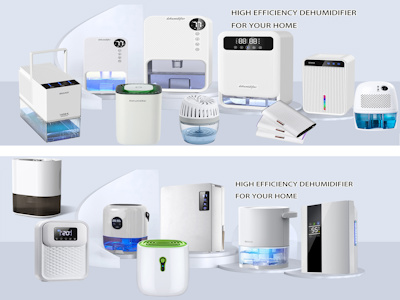
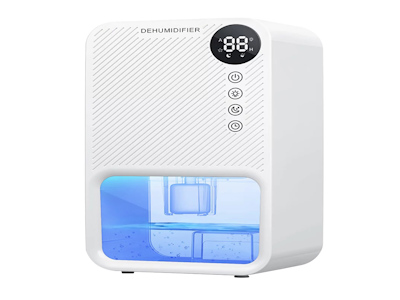
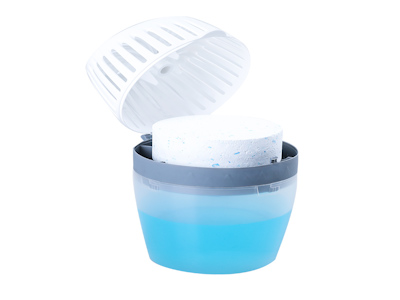
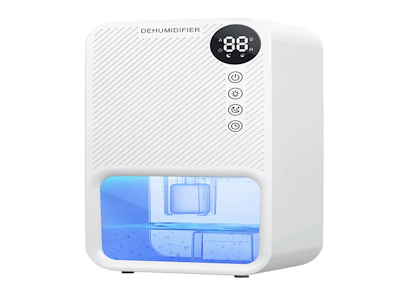
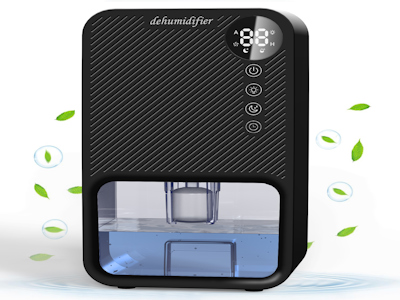
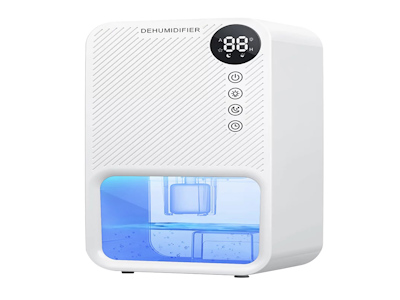
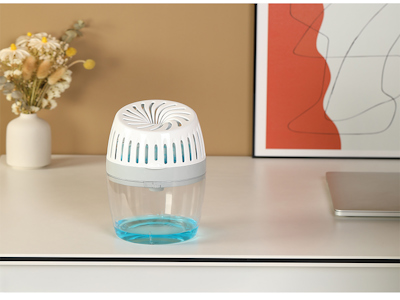
Для регионов с high humidity, системы осушения, такие как dehumidifiers, essential для удаления excess moisture из воздуха. Они используют refrigeration or desiccant materials to extract water vapor, preventing mold and mildew. Modern dehumidifiers are integrated with smart controls that activate only when necessary, based on sensor data. Это saves energy and extends equipment life. Например, в mushroom farms, где влажность must be tightly controlled, эти системы ensure consistent quality and reduce spoilage на 50%. Они также contribute to better air quality, benefiting both plants and workers.
Искусственный интеллект (AI) и машинное обучение revolutionize контроль влажности by predicting patterns and optimizing systems autonomously. AI algorithms analyze historical data, weather forecasts, and real-time sensor inputs to make adjustments proactively. Например, система может learn that certain crops require higher humidity at night and adjust settings accordingly. This leads to a 35% reduction in energy use and a 25% increase in crop quality. Companies like IBM and Google offer cloud-based AI solutions for greenhouses, making advanced technology accessible to small farmers. Это future of smart farming, где decisions are data-driven и efficient.
Гидропонные и аэропонные системы growing plants without soil, allowing for precise control over humidity and other environmental factors. In hydroponics, water-based solutions are misted or circulated, and humidity is managed through enclosed systems with controlled ventilation. Aeroponics uses mist to deliver nutrients, and humidity is critical for root health. These methods enable up to 90% water savings and higher yields in limited spaces. For instance, in urban farms, они allow year-round production with minimal humidity fluctuations. This technology is key for sustainable agriculture in water-scarce regions.
Системы затенения, такие как retractable shades, help regulate humidity by controlling sunlight exposure, which affects evaporation rates. Integrated with humidity sensors, они automatically adjust to maintain optimal conditions. Additionally, LED lighting with adjustable spectra can influence transpiration and humidity levels. For example, blue light can reduce humidity by promoting drier conditions, while red light may increase it. These systems improve energy efficiency by up to 40% and enhance plant growth cycles. Они particularly useful in regions with extreme weather, providing a buffer against external humidity changes.
Биоконтроль involves using natural processes, such as introducing beneficial insects or plants, to manage humidity indirectly. For example, certain plants release moisture through transpiration, which can be harnessed to increase humidity in a controlled way. Additionally, biological controls like fungi can help reduce excess moisture by breaking down organic matter. These methods are eco-friendly and reduce reliance on mechanical systems, lowering operational costs by 20%. Они align with organic farming practices and improve overall ecosystem health within the greenhouse.
Интегрированные платформы, такие как farm management software, combine all humidity control technologies into a single interface. They provide real-time dashboards, alerts, and analytics, allowing farmers to monitor and adjust settings from anywhere. These platforms often include features like predictive maintenance and energy usage reports. For instance, a farmer can receive a notification if humidity levels are trending towards a dangerous level and take action remotely. This holistic approach increases efficiency by 50% and reduces the risk of crop failure. Они represent the pinnacle of modern greenhouse technology, making farming smarter and more responsive.
Внедрение этих топ-10 технологий контроля влажности может transform вашу теплицу в высокопроизводительную и sustainable operation. От автоматических мониторинговых систем до AI-управления, каждая технология offers unique benefits that enhance crop health, reduce costs, and increase profitability. Начните с оценки ваших текущих needs и бюджета, и постепенно integrate these solutions. Remember, investing in advanced humidity control is investing in the future of agriculture. For more information or to get started, contact our experts today – мы поможем вам выбрать идеальные технологии для вашего бизнеса!
Спасибо за чтение! Если вам понравилась статья, поделитесь ею в социальных сетях и подпишитесь на наш блог для更多 updates о инновациях в сельском хозяйстве.
 Горячая линия:
 1388xx888xx