
Время публикации:2025-12-26 08:01:10
Влажность — это невидимый враг в электронной промышленности, способный нанести серьезный ущерб качеству продукции. От коротких замыканий до коррозии компонентов, избыточная влага может привести к миллионным потерям и подорвать доверие потребителей. В этой статье мы глубоко погрузимся в методы, которые электронное производство использует для борьбы с влажностью, обеспечивая безупречное качество конечных изделий. Мы рассмотрим традиционные подходы, современные технологии, реальные кейсы и будущие тенденции, чтобы дать вам полное представление о этой критически важной теме.
Электронные устройства, от смартфонов до промышленных контроллеров, чрезвычайно чувствительны к условиям окружающей среды. Влажность, измеряемая как относительная влажность воздуха, может вызывать конденсацию на компонентах, что приводит к окислению, электромиграции и другим дефектам. Например, при производстве печатных плат (PCB), влага может проникать в слои материала, вызывая расслоение и снижая надежность. Статистика показывает, что до 20% отказов электроники связаны с проблемами влажности, что подчеркивает необходимость строгого контроля.
Исторически, индустрия столкнулась с этой проблемой еще в 1960-х годах, когда массовое производство полупроводников выявило уязвимости к влаге. С тех пор, методы борьбы эволюционировали от простого использования осушителей до сложных систем мониторинга и управления. Сегодня, с ростом миниатюризации и увеличением плотности компонентов, контроль влажности стал еще более критичным. Компании, которые пренебрегают этим аспектом, рискуют не только финансовыми потерями, но и репутационным ущербом.
Цель этой статьи — предоставить всесторонний обзор того, как электронное производство справляется с влажностью. Мы начнем с основ, объясним ключевые технологии, представим примеры из практики и заглянем в будущее инноваций. Эта информация будет полезна для инженеров, менеджеров по качеству и всех, кто заинтересован в повышении надежности электронной продукции.
Влажность влияет на электронику множеством способов. Во-первых, она способствует коррозии металлических контактов и проводников, что может привести к увеличению сопротивления и eventual отказам. Во-вторых, конденсация влаги на компонентах во время пайки или сборки может вызвать short circuits. Кроме того, влага может абсорбироваться полимерными материалами, используемыми в изоляции, изменяя их dielectric свойства и снижая performance.
Одним из наиболее критичных аспектов является hygroscopic swelling, где материалы расширяются при поглощении влаги, что особенно проблематично для microelectronics с tiny features. Это может привести к механическим напряжениям и трещинам. Также, влажность ускоряет electrochemical migration, где ионы металлов перемещаются under electric field, forming dendrites that cause shorts.
To quantify, industry standards like IPC-J-STD-033 specify maximum moisture levels for components before soldering. For instance, moisture sensitivity level (MSL) ratings range from 1 (least sensitive) to 6 (most sensitive), requiring strict handling procedures. Failure to adhere can result in popcorning—a phenomenon where trapped moisture vaporizes during reflow, damaging components.
Real-world examples abound. In 2018, a major smartphone manufacturer recalled batches due to humidity-induced failures in charging ports. Similarly, in automotive electronics, humidity-related issues have led to recalls costing billions. These cases highlight that combatting humidity is not optional but essential for product integrity.
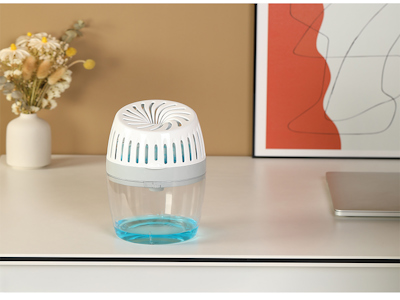
Historically, the electronics industry relied on simple methods like desiccant packs and sealed storage. Desiccants, such as silica gel, are placed in packaging to absorb moisture during storage and transport. This approach is cost-effective but limited to small-scale or short-term applications. For larger scales, humidity-controlled rooms or cabinets were used, maintaining low RH levels through air conditioning and dehumidifiers.
Another traditional method is baking components before assembly to remove absorbed moisture. This involves heating parts to specific temperatures (e.g., 125°C for several hours) based on their MSL. While effective, baking can be time-consuming and energy-intensive, and it may not be suitable for all materials due to thermal degradation risks.
Venting and packaging techniques also play a role. Moisture-barrier bags with desiccants and humidity indicator cards are common for storing sensitive components. These bags are made from multi-layer films that block moisture penetration, and indicators change color to alert when humidity levels exceed thresholds.
Despite their usefulness, traditional methods have limitations. They often lack real-time monitoring and can be inefficient for high-volume production. As electronics became more complex, the need for advanced solutions grew, leading to the adoption of automated systems.
Today, electronics manufacturing employs sophisticated technologies for humidity control. Automated environmental monitoring systems use sensors to continuously measure temperature and humidity in real-time. These systems are integrated with HVAC (Heating, Ventilation, and Air Conditioning) systems to maintain optimal conditions (typically 30-50% RH) throughout the production floor.
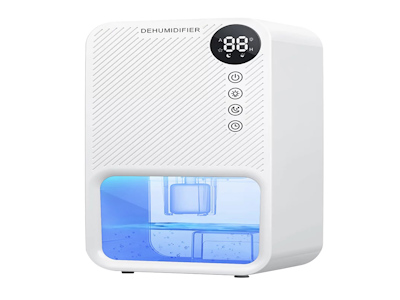
Advanced dehumidification equipment, such as desiccant dehumidifiers, are used in cleanrooms. Unlike refrigerant-based dehumidifiers, desiccant types use adsorbent materials to remove moisture efficiently, even at low temperatures. This is crucial for processes like lithography in semiconductor fabrication, where humidity must be kept below 45% to prevent defects.
In-line drying systems are implemented during assembly. For example, convection ovens or infrared dryers are used to pre-dry PCBs before soldering, ensuring no moisture is present. Additionally, nitrogen inerting during reflow soldering replaces oxygen with dry nitrogen to minimize oxidation and moisture-related issues.
Innovations include smart packaging with IoT sensors that track humidity during logistics. Companies use data analytics to predict and prevent moisture exposure, reducing waste. Moreover, nanomaterials and hydrophobic coatings are being developed to make components inherently resistant to moisture.
Case in point: A leading semiconductor company reduced defect rates by 15% after implementing a centralized humidity management system that alerts operators to deviations instantly. Such technologies not only improve quality but also enhance sustainability by reducing rework and material waste.
Consider the case of Foxconn, a major electronics manufacturer. They faced humidity challenges in their Shenzhen facilities, where high ambient humidity led to soldering defects. By investing in state-of-the-art dehumidification systems and training staff on MSL protocols, they cut defect rates by 20% within a year. This involved using automated moisture analysis tools during incoming inspection and real-time monitoring in production areas.
Another example is Tesla in their Gigafactories for electric vehicle batteries. Humidity control is critical for battery performance and safety. They use sealed dry rooms with RH below 1% for battery assembly, equipped with redundant dehumidifiers and backup power to ensure uninterrupted operation. This approach has minimized failures and extended product lifecycles.
In consumer electronics, Apple implements rigorous humidity controls during iPhone assembly. Components are stored in humidity-controlled vaults, and assembly lines are maintained at precise conditions. Post-production, products undergo environmental testing, including humidity chambers, to simulate real-world conditions and ensure reliability.
These cases demonstrate that proactive humidity management pays off. It's not just about avoiding defects but also about building brand trust. Companies that excel in this area often see lower warranty claims and higher customer satisfaction.
The future of humidity control in electronics manufacturing lies in automation and AI. Predictive maintenance systems will use machine learning to forecast humidity-related issues before they occur, allowing for preemptive actions. For instance, sensors could detect subtle changes in air quality and adjust dehumidifiers automatically.
Integration with Industry 4.0 is key. Smart factories will have interconnected systems where humidity data is shared across supply chains, enabling end-to-end traceability. This could involve blockchain for secure data logging, ensuring that components are handled properly from manufacture to end-use.
Emerging materials science will play a role. Research into superhydrophobic coatings and moisture-resistant polymers could make components immune to humidity effects. Additionally, sustainable practices, such as using energy-efficient dehumidifiers powered by renewables, will become standard to reduce environmental impact.
For manufacturers, recommendations include: invest in real-time monitoring systems, train employees on humidity risks, adhere to international standards like IPC and JEDEC, and collaborate with suppliers to ensure consistency. Regular audits and continuous improvement programs are essential to stay ahead of challenges.
In conclusion, battling humidity is a continuous effort that requires technology, vigilance, and innovation. By embracing advanced methods, the electronics industry can ensure high-quality products that meet the demands of modern consumers.
Борьба с влажностью в электронном производстве — это сложная, но управляемая задача. От традиционных методов до передовых технологий, industry has made significant strides in protecting product quality. As electronics continue to evolve, so will the strategies for humidity control. By staying informed and proactive, manufacturers can turn this challenge into a competitive advantage, delivering reliable and durable products to the market.
This article has covered the essentials, but the journey doesn't end here. Keep exploring, innovating, and prioritizing humidity management to excel in the dynamic world of electronics manufacturing.
 Горячая линия:
 1388xx888xx