
Время публикации:2025-12-26 08:01:10
Влажность воздуха — это фактор, который влияет на комфорт, здоровье и даже сохранность имущества. Высокая влажность может привести к появлению плесени, ухудшению качества воздуха и дискомфорту в помещении. Поэтому вопрос о быстрой и эффективной сушке воздуха становится все более актуальным, особенно в условиях переменчивого климата или в специфических environments, таких как бассейны, подвалы или производственные цеха. В этой статье мы подробно рассмотрим различные методы сушки воздуха, оценим их эффективность и предоставим практические советы по выбору оптимального решения.
Влажность воздуха измеряется в процентах и указывает на количество водяного пара в атмосфере. Оптимальный уровень влажности для жилых помещений составляет от 40% до 60%. Если влажность превышает этот диапазон, это может вызвать ряд проблем, включая рост mold, аллергии, и повреждение мебели или электроники. Быстрая сушка воздуха необходима в ситуациях, таких как после затопления, в сырых помещениях или в промышленных процессах, где контроль влажности критически важен.
Эффективность методов сушки зависит от множества факторов: скорости осушения, энергоэффективности, стоимости и applicability в различных условиях. В этой статье мы сосредоточимся на самых быстрых и эффективных способах, начиная от простых household методов до advanced технологий.
Сушка воздуха основана на физических процессах удаления влаги. Ключевые принципы включают конденсацию, адсорбцию, и испарение. Конденсация involves охлаждение воздуха до точки росы, что приводит к выделению воды. Адсорбция использует materials, такие как силикагель, которые поглощают влагу из воздуха. Испарение, напротив, может увеличивать влажность, поэтому для сушки оно не применяется напрямую, но является частью некоторых систем, like вентиляция.
Понимание этих принципов помогает выбрать подходящий метод. Например, конденсационные методы быстры, но требуют энергии для охлаждения, tandis que адсорбционные methods могут быть более energy-efficient в определенных scenarios.
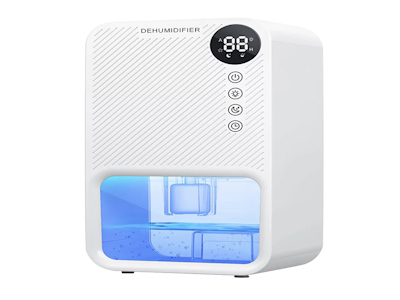
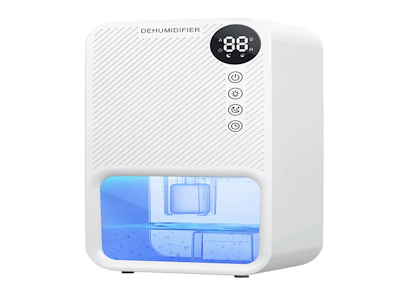
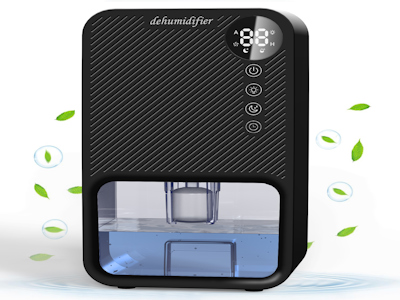
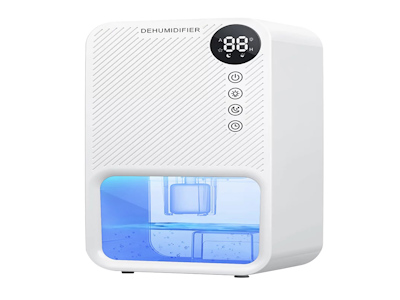
Конденсационные осушители — одни из самых популярных и быстрых способов сушки воздуха. Они работают по принципу холодильного цикла: air проходит через испаритель, где охлаждается ниже точки росы, влага конденсируется и собирается в reservoir, а осушенный air нагревается и возвращается в помещение. Эти устройства эффективны в temperatures выше 5°C и могут удалять до 30 литров воды в сутки.
Преимущества: высокая скорость осушения, простота использования, availability в различных размерах для домашнего и промышленного применения. Недостатки: higher energy consumption, limited effectiveness в cold environments. Для максимальной эффективности, выбирайте осушители с high CADR (Clean Air Delivery Rate) и features like автоматическое отключение при заполнении бака.
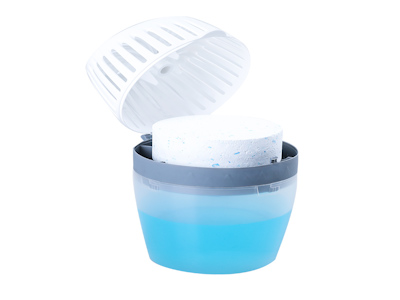
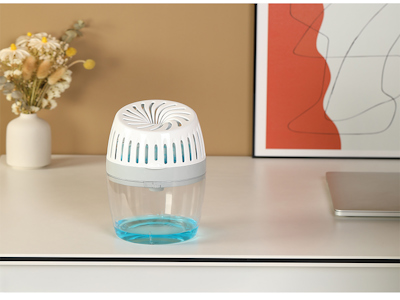
Адсорбционные осушители используют hygroscopic materials, такие как силикагель или цеолиты, to absorb moisture from the air. Air прогоняется через rotor или cartridge, содержащий адсорбент, который захватывает влагу. These systems often include a regeneration cycle, where the adsorbent is heated to release moisture, making them suitable for continuous operation.
This method is particularly effective in low-temperature environments or where very low humidity levels are required, e.g., in pharmaceutical or electronic industries. Advantages: energy efficiency in certain conditions, ability to work at low temperatures. Disadvantages: slower initial drying speed compared to condensation, higher initial cost, and need for maintenance of the adsorbent material.
Вентиляция — простой и often cost-effective way to reduce humidity by replacing moist air with drier air from outside. This can be achieved through open windows, exhaust fans, or mechanical ventilation systems. In dry climates, this method can be very effective and fast, especially if combined with fans to increase air circulation.
However, its effectiveness depends on outdoor humidity levels. If outside air is humid, ventilation may not help or could even worsen the situation. Advantages: low cost, no energy consumption for drying itself. Disadvantages: weather-dependent, not suitable for all conditions. For rapid drying, use in combination with other methods, like dehumidifiers, during periods of low outdoor humidity.
For large-scale or industrial applications, advanced systems such as desiccant wheels, refrigerant dryers, or hybrid systems are used. These are designed for high capacity and speed, capable of handling thousands of cubic meters of air per hour. They often integrate multiple principles, e.g., condensation and adsorption, to maximize efficiency.
These systems are essential in industries like food processing, warehousing, or construction, where controlling humidity is critical for product quality and safety. Advantages: very high drying speed, scalability, precision control. Disadvantages: high cost, complex installation, and maintenance requirements. Choosing the right system involves consulting with experts to match specific needs.
To determine the most effective method for rapid drying, consider factors like drying speed, energy efficiency, cost, and applicability. Condensation dehumidifiers are generally the fastest for residential use, with drying rates of 10-30 liters per day. Adsorption methods excel in cold or low-humidity settings but may be slower initially. Ventilation is fast only if outdoor conditions are favorable, while industrial systems offer the highest speed for large volumes.
A table comparison: Condensation - Speed: High, Energy: Moderate, Cost: Medium; Adsorption - Speed: Medium to High, Energy: Low to Moderate, Cost: High; Ventilation - Speed: Variable, Energy: Low, Cost: Low; Industrial - Speed: Very High, Energy: High, Cost: Very High. For most home users, condensation dehumidifiers strike the best balance.
For quick results, start by identifying the source of moisture and addressing it (e.g., fixing leaks). Use a combination of methods: run a condensation dehumidifier in the affected area, enhance ventilation with fans when outdoor air is dry, and use moisture absorbers like silica gel in closed spaces. Monitor humidity with a hygrometer to avoid over-drying, which can cause other issues like dry skin or static electricity.
In emergencies, such as after a flood, prioritize speed by using industrial-grade equipment or renting high-capacity dehumidifiers. Always follow safety guidelines, especially when using electrical devices in wet environments.
Самые эффективные способы быстрой сушки воздуха зависят от конкретных условий. Для домашнего использования конденсационные осушители often provide the best combination of speed and convenience. В промышленных settings, advanced systems like adsorption wheels are unparalleled. Не forget simple methods like ventilation, which can be surprisingly effective when conditions are right. Ultimately, the key is to assess your needs, consider energy and cost factors, and possibly combine methods for optimal results. С proper approach, you can maintain a comfortable and healthy environment efficiently.
Remember, controlling humidity not only enhances comfort but also protects your health and property. Invest in the right tools and stay informed about new technologies in air drying.
 Горячая линия:
 1388xx888xx