
Время публикации:2025-12-25 08:01:10
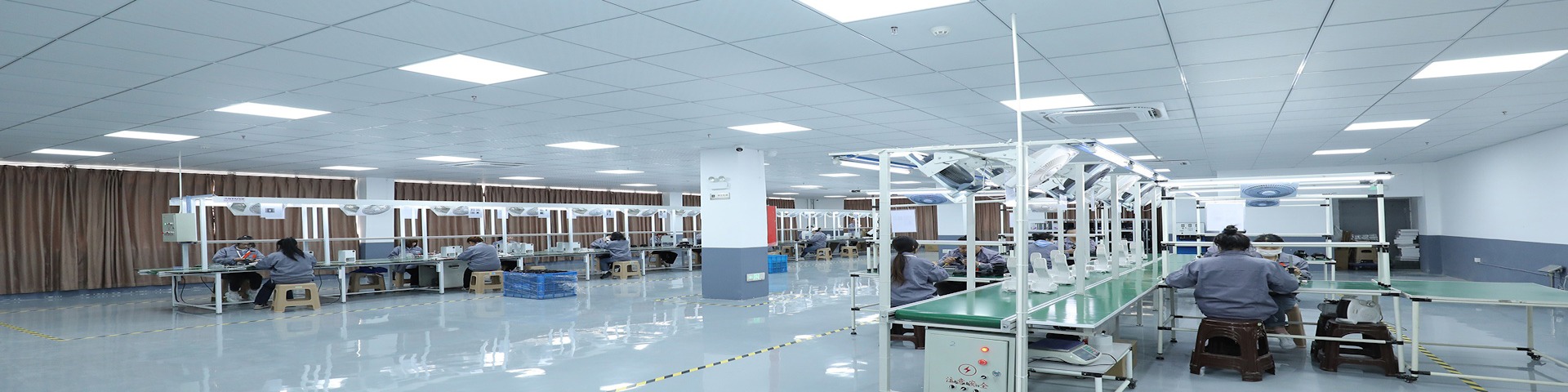
Влажность на производстве – это не просто неудобство, а серьезная проблема, которая может привести к значительным финансовым потерям, ухудшению качества продукции и даже угрозе безопасности работников. В современных промышленных условиях контроль микроклимата становится ключевым фактором успеха. Избыточная влажность вызывает коррозию оборудования, порчу материалов, рост плесени и бактерий, что негативно сказывается на всем производственном процессе. В этой статье мы подробно разберем, почему устранение влажности так важно, и предложим практические, эффективные решения для вашего цеха. Мы охватим все аспекты: от причин и последствий высокой влажности до выбора и внедрения современных систем осушения. Вы узнаете, как простые меры могут кардинально улучшить условия работы, повысить производительность и снизить операционные затраты. Давайте начнем с основ и постепенно углубимся в детали, чтобы вы могли принять informed decisions для вашего бизнеса.
Высокая влажность на производстве часто недооценивается, но ее воздействие multifaceted и разрушительно. Во-первых, она ускоряет коррозию металлических деталей и machinery, leading к frequent repairs и замене оборудования. Например, в metalworking industries, коррозия может reduce the lifespan станков на 20-30%, что выливается в thousands of dollars ежегодных losses. Во-вторых, влажность негативно влияет на сырье и готовую продукцию. В food processing, избыточная влага promotes mold growth, compromising safety и shelf life продуктов. В textile manufacturing, она causes swelling волокон, leading к defects в ткани. Кроме того, damp условия ideal для размножения бактерий и грибков, что poses health risks для workers, увеличивая absenteeism и medical costs. Также, высокая влажность reduces эффективность систем отопления и cooling, так как air feels colder или hotter, forcing HVAC systems работать harder и consume more energy. Это directly увеличивает счета за electricity. В долгосрочной перспективе, unchecked влажность может lead к structural damage зданий, such as rotting деревянных элементов или degradation бетона. Таким образом, инвестиции в control влажности – это не expense, а necessity для sustainable и profitable operations.
Понимание причин высокой влажности – первый шаг к ее устранению. Основные факторы включают external climate conditions, internal processes, и poor ventilation. В regions с high humidity, outdoor air naturally brings moisture внутрь через doors, windows, или leaks в building envelope. Seasonal changes, такие как rainy seasons или thawing snow, могут exacerbate проблему. Внутри цеха, many industrial processes generate moisture. Например, washing, cleaning, или cooling operations often involve water usage, releasing vapor into the air. In food and beverage industry, cooking, boiling, или fermentation produce significant amounts of steam. Similarly, in printing или paper manufacturing, water-based inks и coatings contribute to humidity. Poorly designed или maintained ventilation systems fail to remove excess moisture, allowing it to accumulate. Additionally, inadequate insulation или cracks в стенах и крыше permit moisture infiltration. Human activities, such as frequent opening of doors для logistics, также introduce humid air. Identifying these sources through regular audits и moisture mapping поможет targeted interventions. Например, installing sensors для continuous monitoring влажности может reveal patterns и hotspots, enabling proactive measures.
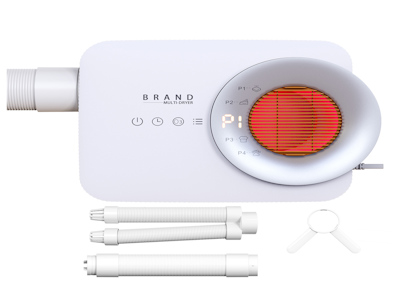
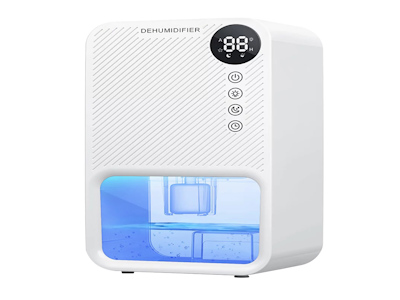
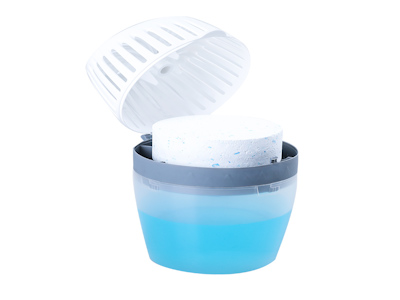
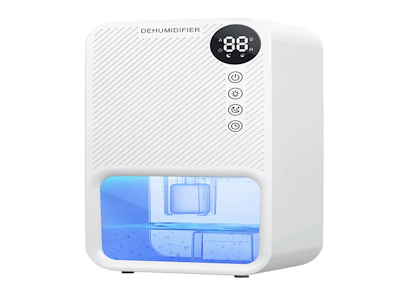
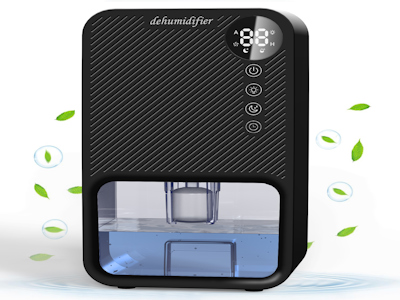
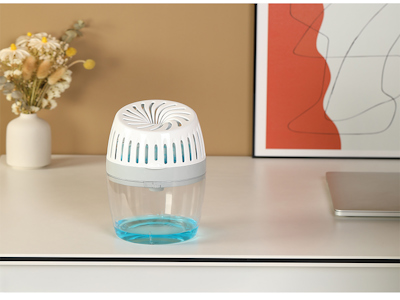
Для борьбы с высокой влажностью существует range of solutions, от simple adjustments до advanced technological systems. Начнем с basic measures: улучшение ventilation. Убедитесь, что ваша система вентиляции properly sized и functional. Natural ventilation через windows и vents может help, но often insufficient для industrial scales. Mechanical ventilation, such as exhaust fans или air handling units, actively remove moist air и bring in drier air. Однако, в very humid climates, это может not be effective, так как outdoor air itself humid. Тогда необходимо consider осушение воздуха с помощью specialized equipment. Адсорбционные осушители используют desiccants like silica gel для absorb moisture из air, ideal для low-temperature environments или where precise control needed. Конденсационные осушители work by cooling air below its dew point, causing moisture to condense и drain away; они efficient для warmer conditions. Современные системы often combine these methods с smart controls для optimization. Кроме того, sealing leaks в building structure предотвращает moisture ingress. Использование moisture-resistant materials в construction, such as vapor barriers, также helps. For processes that generate moisture, local exhaust systems у source могут capture vapor before it spreads. Регулярное maintenance оборудования, such as cleaning coils в HVAC systems, ensures efficiency. Investing in energy-efficient осушители может reduce operating costs; look for units с high Energy Factor ratings. Наконец, employee training на importance of keeping doors closed и reporting leaks fosters a culture of moisture awareness.
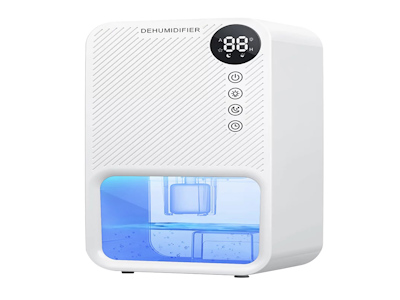
Выбор правильного оборудования для осушения критически важен для effectiveness и cost-efficiency. First, assess the size вашего цеха и level of humidity. Calculate the volume помещения в cubic meters и desired humidity level (обычно 40-60% relative humidity для комфорта и сохранности материалов). Используйте формулы для определения capacity осушителя, измеряемой в liters воды removed per day. For large spaces, consider industrial-grade осушители с high capacity. Конденсационные осушители подходят для temperatures above 5°C, в то время как адсорбционные лучше для colder environments или очень low humidity requirements. Обратите внимание на features such as automatic humidistats для precise control, built-in pumps для continuous drainage, и filters для air quality. Energy consumption – key factor; compare kWh per liter удаленной воды. Brands like Dantherm, Munters, или Trotec offer reliable options. Также, evaluate noise levels, особенно если цех occupied by workers. Portability может быть важна для flexible deployment. Consider integration с existing HVAC systems для seamless operation. Budget not only for purchase cost, но и installation, maintenance, и energy bills. Читайте reviews и consult с experts для рекомендаций. В некоторых случаях, аренда оборудования может быть viable для short-term needs. Помните, что over-sizing или under-sizing equipment leads to inefficiencies; professional assessment рекомендуется.
Чтобы проиллюстрировать эффективность решений, рассмотрим real-world examples. В automotive manufacturing plant в Germany, высокая влажность caused rust на metal parts, leading к rejects. После установки конденсационных осушителей с capacity 100 liters/day, влажность снизилась с 80% до 50%, что сократило defects на 15% и saved over €50,000 annually в repair costs. В food storage facility в Russia, mold growth на product упаковках был common. Внедрение адсорбционных осушителей и improved ventilation позволило maintain humidity at 45%, увеличив shelf life и reducing waste на 20%. В textile mill в India, damp conditions caused yarn breakage. Комбинация exhaust fans и осушителей stabilized humidity, boosting production efficiency на 10%. Еще один пример: в pharmaceutical cleanroom, precise humidity control необходимо для compliance. Smart осушители с IoT sensors enabled real-time monitoring и adjustments, ensuring constant 50% RH и avoiding costly shutdowns. These cases highlight that tailored solutions yield significant ROI. Извлеченные уроки: всегда conduct a thorough audit перед implementation, monitor results post-installation, и train staff для proper usage. Сотрудничество с reliable suppliers обеспечивает ongoing support.
Инвестиции в системы осушения окупаются quickly через multiple economic benefits. Во-первых, reduced maintenance costs: меньше коррозии означает fewer repairs и longer equipment lifespan. Например, saving на замене machinery может amount to thousands per year. Во-вторых, improved product quality: меньше дефектов и waste повышает yield и customer satisfaction, leading to higher sales. В-третьих, energy savings: эффективные осушители reduce load на HVAC systems, cutting electricity bills на 10-20%. Additionally, better working conditions decrease employee absenteeism и improve productivity, indirectly boosting profits. Calculate ROI by comparing initial investment (equipment + installation) с annual savings. Typical payback periods range from 1 to 3 years для industrial settings. Используйте tools like life cycle cost analysis для оценки long-term benefits. Также, consider intangible benefits such as enhanced reputation для quality и compliance с regulations (e.g., OSHA standards). В некоторых regions, government incentives или tax breaks available для energy-efficient upgrades. Таким образом, устранение влажности – это smart financial decision that protects assets и drives growth.
Влажность на производстве – управляемая проблема, но требующая proactive approach. Игнорирование ее может lead to escalating costs и operational disruptions. Начните с оценки текущей ситуации: измерьте уровень влажности, identify sources, и оцените impact. Затем, разработайте plan, сочетающий ventilation improvements и specialized осушение equipment. Выбирайте solutions based на ваших specific needs и budget. Внедряйте постепенно, monitor results, и adjust as needed. Помните, что employee involvement ключ к успеху; обучайте team importance of moisture control. С современными технологиями, такими как smart sensors и energy-efficient devices, достижение optimal humidity стало easier и more affordable чем ever. Не откладывайте – инвестируйте в здоровый микроклимат вашего цеха сегодня, чтобы обеспечить sustainable productivity и profitability на годы вперед. Если нужна помощь, консультируйтесь с профессионалами для customized solutions. Ваш цех заслуживает best conditions для excellence.
 Горячая линия:
 1388xx888xx