
Время публикации:2025-12-14 08:01:11
Дорогие читатели, сегодня мы поговорим о теме, которая волнует многих: как избавиться от влажности в вашем доме эффективно и, что самое главное, безопасно. Влажность — это не просто неудобство; она может стать причиной серьезных проблем со здоровьем, таких как аллергии, астма, и даже привести к появлению плесени, которая разрушает структуру вашего жилища. Но не волнуйтесь! Существуют нежные способы, которые помогут вам справиться с этой проблемой без вреда для окружающей среды и вашего благополучия.
В этой статье мы рассмотрим различные методы осушения воздуха, начиная от простых домашних хитростей и заканчивая современными технологическими решениями. Мы уделим особое внимание безопасности, потому что ваше здоровье и комфорт — это наш приоритет. Вы узнаете, как выбрать подходящий метод для вашего дома, как предотвратить повторное появление влажности и как интегрировать эти практики в повседневную жизнь.
Почему это так важно? Высокая влажность не только создает дискомфорт, но и может привести к серьезным последствиям. Например, плесень, которая часто развивается во влажных условиях, выделяет споры, вызывающие респираторные проблемы. Кроме того, избыточная влага портит мебель, электронику и даже стены вашего дома. Но с правильным подходом вы можете превратить свой дом в оазис сухости и уюта.
Давайте начнем с основ. Что такое влажность и почему она возникает? Влажность — это количество водяного пара в воздухе. Она может быть вызвана различными факторами: климатическими условиями, недостаточной вентиляцией, бытовыми activities like cooking or showering, and even structural issues in your home. Understanding the root cause is the first step to effective solution.
One of the gentlest ways to reduce humidity is through natural ventilation. Simply opening windows regularly can help exchange moist indoor air with drier outdoor air. This method is free, eco-friendly, and requires no special equipment. However, it might not be sufficient in very humid climates or during certain seasons. That's where other methods come into play.
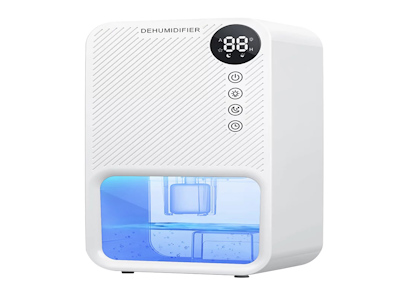
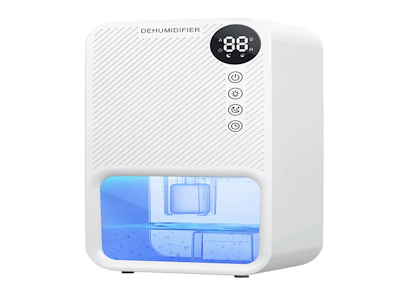
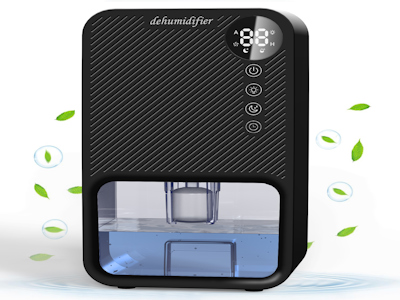
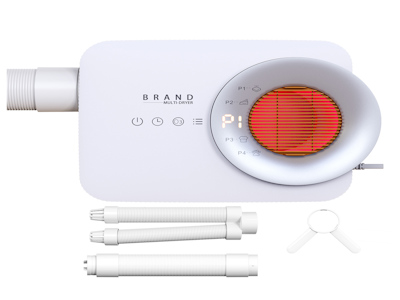
Another safe and effective approach is using dehumidifiers. These devices are designed to extract excess moisture from the air, and modern models are energy-efficient and quiet. When choosing a dehumidifier, opt for ones with HEPA filters to ensure they also remove allergens and impurities. Place them in areas prone to humidity, such as basements, bathrooms, or kitchens, for best results.
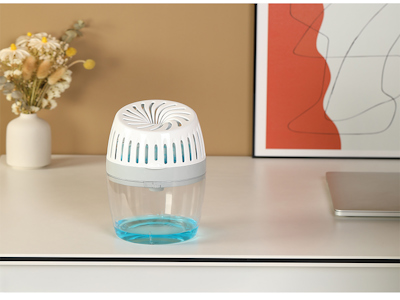
For those who prefer DIY solutions, there are homemade dehumidifiers using materials like silica gel or rock salt. These are cheap and non-toxic, making them ideal for households with children or pets. Simply place bowls of these materials in humid areas, and they will absorb moisture over time. Remember to replace or dry them out periodically to maintain effectiveness.
Incorporating plants that absorb humidity, such as peace lilies or Boston ferns, is another gentle method. Not only do they help regulate moisture levels, but they also purify the air and add a touch of nature to your home. This is a win-win solution that combines functionality with aesthetics.
Prevention is key to long-term success. Ensure your home has proper insulation and sealing to prevent moisture from entering. Fix any leaks promptly, use exhaust fans in high-humidity areas, and avoid overwatering indoor plants. Regular maintenance can save you from bigger problems down the line.
Now, let's dive deeper into each method. Natural ventilation is most effective when done strategically. Open windows on opposite sides of the house to create cross-ventilation, which enhances air flow. Do this during drier times of the day, such as in the morning or evening, to maximize efficiency.
When it comes to dehumidifiers, there are two main types: refrigerant and desiccant. Refrigerant dehumidifiers are more common and work well in warmer conditions, while desiccant models are better for cooler environments. Choose based on your climate and needs. Look for energy-star rated devices to save on electricity bills.
Homemade solutions are not only economical but also customizable. For example, you can create a dehumidifier using a plastic bottle, some calcium chloride, and a cloth. This DIY project is fun and educational, especially for families. Always handle materials with care and keep them out of reach of children.
Plants are a natural and beautiful way to combat humidity. Peace lilies, for instance, can reduce moisture levels by up to 5-10% in a room. Place them in well-lit areas and water them moderately to avoid adding to the humidity. This method is particularly appealing for those who value green living.
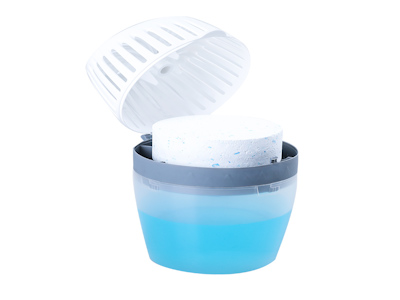
Beyond these methods, consider using moisture-absorbing products like DampRid or similar commercial options. These are readily available and easy to use, making them a convenient choice for busy households. They work by absorbing excess water from the air and can be disposed of or reused depending on the product.
It's also important to monitor humidity levels regularly. Invest in a hygrometer, a device that measures humidity, to keep track of conditions in your home. Ideally, indoor humidity should be between 30% and 50%. If it consistently exceeds this range, it's time to take action.
For those living in extremely humid regions, integrating multiple methods might be necessary. Combine ventilation with dehumidifiers and plants for a comprehensive approach. This layered strategy ensures that you address humidity from all angles, providing a safer and more comfortable living environment.
Safety should always be a top priority. Avoid methods that involve harsh chemicals or unsafe practices. For example, never use open flames or unvented heaters to dry out air, as this can lead to fire hazards or carbon monoxide poisoning. Stick to gentle, proven techniques.
In conclusion, battling humidity doesn't have to be a harsh or expensive endeavor. With these gentle methods, you can effectively and safely reduce moisture in your home, protecting your health and property. Start small, experiment with different approaches, and find what works best for your situation.
Remember, a dry home is a happy home. By taking proactive steps, you can enjoy a cleaner, healthier, and more comfortable living space. Share these tips with friends and family to help them too. Together, we can create homes that are not only beautiful but also safe from the dangers of excess humidity.
If you have any questions or want to share your own experiences, feel free to reach out. We're here to support you on your journey to a humidity-free home. Thank you for reading, and may your days be dry and delightful!
 Горячая линия:

 1388xx888xx