

Время публикации:2025-12-11 08:01:10
Влажность воздуха – это один из тех факторов, которые часто остаются незамеченными, но играют ключевую роль в нашем самочувствии и общем здоровье. От уровня влажности зависит не только комфорт в помещении, но и состояние нашей кожи, дыхательной системы, иммунитета и даже психического здоровья. В этой статье мы подробно разберем, почему так важно поддерживать идеальную влажность, как ее измерить, и какие практические шаги можно предпринять для создания здоровой атмосферы в вашем доме или офисе.
Современный образ жизни часто связан с длительным пребыванием в закрытых помещениях, где воздух может быть слишком сухим или слишком влажным из-за отопления, кондиционеров или других факторов. Это может привести к ряду проблем, таких как сухость кожи, раздражение глаз, аллергии, респираторные заболевания и повышенная утомляемость. Идеальная влажность, которая обычно находится в диапазоне 40-60%, помогает предотвратить эти issues и способствует overall wellness.
В первой части статьи мы обсудим научные основы влажности и ее влияние на организм человека. Затем перейдем к практическим аспектам: как измерить влажность с помощью гигрометров или умных устройств, и как регулировать ее с помощью увлажнителей, осушителей или естественных методов. Мы также рассмотрим common mistakes, которые люди допускают при попытке контролировать влажность, и дадим советы по выбору оборудования и поддержанию balance в different seasons.
Кроме того, мы затронем тему влажности в контексте specific health conditions, таких как астма, аллергии или skin disorders, и объясним, как proper humidity management can alleviate symptoms. В заключение, мы поделимся long-term strategies для поддержания здорового climate в вашем жилом пространстве, emphasizing the importance of consistency and monitoring.
Эта статья aims to be comprehensive guide, combining scientific insights with practical advice, to help you take control of your indoor environment and enhance your quality of life. Remember, small changes can make a big difference when it comes to humidity and health.
Начнем с basics: что такое влажность? Влажность воздуха refers to the amount of water vapor present in the air. It is typically measured as относительная влажность (relative humidity), which is the ratio of the current water vapor content to the maximum possible at a given temperature. For example, at 100% relative humidity, air is saturated with water vapor, and condensation may occur. Ideal levels for human health are between 40% and 60%, as this range helps maintain mucous membranes, reduces the spread of pathogens, and prevents issues like static electricity or mold growth.
When humidity is too low (below 30%), it can cause dry skin, irritated eyes, sore throat, and increased susceptibility to respiratory infections. This is common in winter when heating systems dry out the air. On the other hand, high humidity (above 60%) can promote mold, dust mites, and bacterial growth, leading to allergies, asthma attacks, and general discomfort. Therefore, balancing humidity is crucial for a healthy indoor environment.
To measure humidity, you can use a hygrometer – a simple device available in most hardware stores. Modern smart hygrometers connect to apps and provide real-time data and alerts. For accurate readings, place the hygrometer away from direct sunlight, vents, or other sources of heat or moisture. Regular monitoring helps you identify trends and take action before problems arise.
For increasing humidity in dry conditions, consider using a humidifier. There are several types: evaporative, ultrasonic, and steam humidifiers. Evaporative models are energy-efficient and add moisture by blowing air through a wet wick. Ultrasonic humidifiers use vibrations to create a fine mist, but they require regular cleaning to prevent mineral buildup. Steam humidifiers boil water to produce steam, which is hygienic but uses more energy. Choose one based on your room size and needs; for example, a small ultrasonic humidifier for a bedroom or a larger evaporative model for a living room.
Additionally, natural methods can help: placing bowls of water near heat sources, taking shorter showers with the bathroom door open, or growing indoor plants that release moisture through transpiration. Plants like peace lilies or spider plants not only beautify your space but also contribute to humidity control.
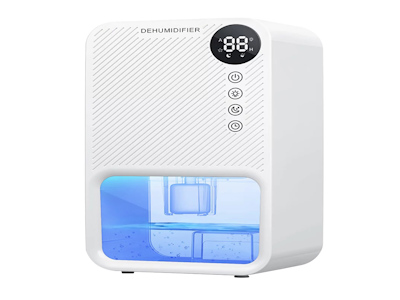
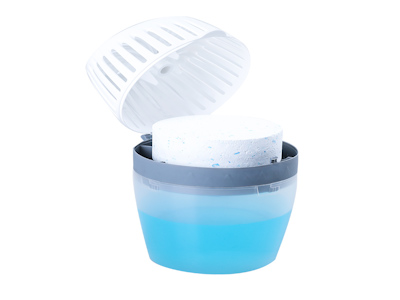
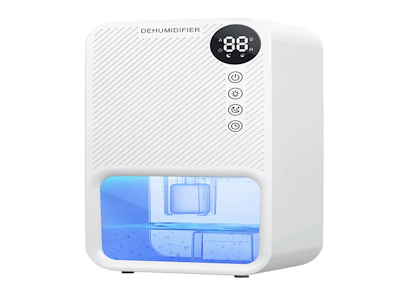
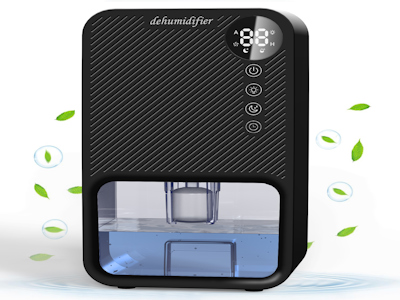
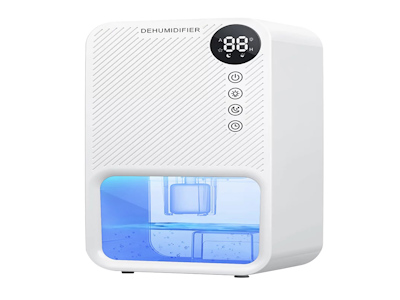
To reduce humidity in damp environments, use a dehumidifier. These devices extract excess moisture from the air and are essential in basements, bathrooms, or climates with high humidity. Ensure proper ventilation by using exhaust fans in kitchens and bathrooms, and avoid activities that generate moisture, like drying clothes indoors without ventilation.
Common mistakes include over-humidifying, which can lead to mold, or using humidifiers without cleaning them, which can spread bacteria. Always follow manufacturer instructions for maintenance, such as changing filters and cleaning tanks regularly. In winter, aim for humidity around 40-50% to prevent window condensation, while in summer, keep it below 60% to avoid mold.
For people with health conditions, optimal humidity is even more critical. Asthmatics benefit from humidity around 50% to reduce airway irritation. Those with eczema should avoid low humidity to prevent skin drying. Consult with a healthcare provider for personalized advice.
Long-term, invest in a smart home system that integrates humidity control with heating and cooling. This automates adjustments and ensures consistency. Also, consider the building's insulation and airflow; poor insulation can lead to moisture problems. Regular checks and small habits, like airing out rooms daily, can sustain a healthy balance.
In conclusion, maintaining ideal humidity is a key aspect of indoor health that requires awareness and effort. By measuring, adjusting, and monitoring, you can create a comfortable and healthy environment that supports your well-being. Start today by checking your current humidity levels and taking steps towards optimization.
This article has covered the essentials, but remember that individual needs may vary. Experiment with different methods and find what works best for your home and health. Share your experiences and tips with others to spread awareness about the importance of humidity control.
Thank you for reading, and here's to healthier air and a happier you!
 Горячая линия:

 1388xx888xx