
Время публикации:2025-12-10 12:01:10
В современном мире, где климатические условия становятся все более непредсказуемыми, поддержание оптимальной влажности в доме превращается в настоящую необходимость. Высокая влажность может привести к появлению плесени, порче мебели и даже проблемам со здоровьем, таким как аллергии и респираторные заболевания. В то же время, слишком сухой воздух также может вызывать дискомфорт, сухость кожи и слизистых оболочек. Именно поэтому все больше людей обращают внимание на осушители воздуха — устройства, которые помогают регулировать уровень влажности в помещении.
Однако, с ростом популярности этой техники, рынок наводнили разнообразные модели, от бюджетных до премиальных, что часто ставит покупателей перед сложным выбором. Как не переплатить за ненужные функции и выбрать именно тот мини осушитель, который идеально подойдет для вашего дома? В этой статье мы подробно разберем все аспекты выбора, начиная от базовых принципов работы осушителей и заканчивая практическими советами по экономии денег. Мы рассмотрим ключевые параметры, такие как мощность, энергоэффективность, уровень шума, дополнительные функции и, конечно же, ценовую политику. Также мы затронем вопросы обслуживания и долговечности устройств, чтобы ваш выбор был не только экономичным, но и долговечным.
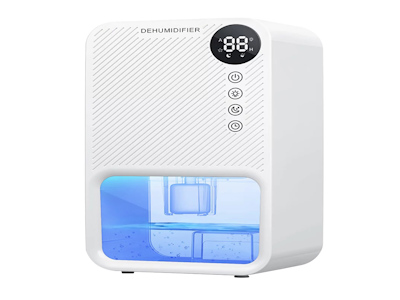
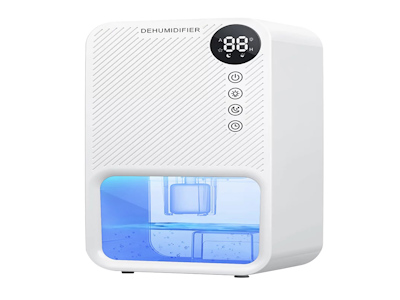
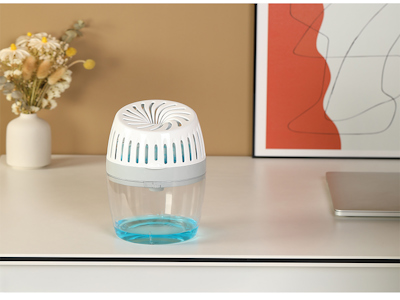
Прежде всего, давайте определим, что такое мини осушитель. Это компактное устройство, предназначенное для осушения воздуха в небольших помещениях, таких как спальни, ванные комнаты, кладовые или даже офисы. Его главное преимущество — мобильность и экономия пространства, что делает его идеальным решением для городских квартир. В отличие от крупных стационарных моделей, мини осушители обычно потребляют меньше энергии и имеют более доступную цену. Однако, именно из-за их популярности и широкого выбора, многие покупатели совершают ошибки, переплачивая за бренд или излишние функции, которые им не нужны.
Одной из основных причин переплат является непонимание собственных потребностей. Например, если вы живете в регионе с умеренной влажностью, вам может не понадобиться мощный осушитель с функцией ионизации воздуха. Или, если вы планируете использовать устройство только в ванной комнате, нет смысла покупать модель с Wi-Fi управлением. Поэтому первый шаг к экономии — четко определить, для каких целей и в каких условиях будет использоваться осушитель. В этой статье мы поможем вам в этом разобраться.
Еще один важный аспект — это выбор между известными брендами и менее раскрученными производителями. Часто люди готовы платить больше за имя, believing that it guarantees quality. Однако, это не всегда оправдано. Многие unknown brands предлагают аналогичные характеристики по более низким ценам, и при правильном выборе можно сэкономить значительную сумму. Мы рассмотрим несколько популярных брендов, таких как Ballu, Timberk, Electrolux, а также менее известные, но достойные внимания варианты, и сравним их по цене и качеству.
Кроме того, не стоит забывать о энергоэффективности. Осушитель, который потребляет много электроэнергии, может в долгосрочной перспективе обойтись дороже, даже если его первоначальная стоимость низка. Поэтому при выборе важно обращать внимание на класс энергопотребления — ideally, это должен быть класс A или выше. Также consider the capacity of the water tank — если вы не хотите постоянно опорожнять резервуар, choose a model with a larger tank or a continuous drainage option.
Шум — еще один фактор, который часто упускают из виду. Если вы планируете использовать осушитель в спальне или living room, high noise levels can be disruptive. Modern mini dehumidifiers are designed to be quiet, but it's still worth checking decibel ratings before purchase. Typically, models with noise levels below 40 dB are considered quiet and suitable for residential use.
Now, let's dive into the practical steps of choosing a mini dehumidifier without overpaying. Start by assessing the size of the room where you plan to use it. The capacity of a dehumidifier is measured in liters per day (L/day), and it should match the room's volume and humidity levels. For small rooms up to 20 square meters, a capacity of 10-12 L/day is usually sufficient. For larger spaces, you might need up to 20 L/day, but remember that overcapacity can lead to unnecessary energy consumption and higher costs.
Next, consider the type of dehumidifier. There are two main types: refrigerant (compressor) and desiccant. Refrigerant models are more common and efficient in warm conditions, while desiccant models work better in cooler temperatures. For most homes, a refrigerant dehumidifier is a good choice, as it's energy-efficient and effective. However, if you live in a cold climate, a desiccant model might be more suitable, albeit at a higher cost.
When it comes to features, less is often more. Avoid paying for extras like air purification, humidification, or smart controls unless you specifically need them. These features can add significantly to the price without providing substantial benefits for basic dehumidification. Focus on core functionalities: adjustable humidity settings, auto shut-off when the tank is full, and easy maintenance.
Price comparison is crucial. Use online tools and websites to compare prices across different retailers. Look for discounts, sales, and bundle deals. Sometimes, buying during off-seasons (like winter for dehumidifiers) can save you money. Also, consider refurbished or open-box items, which are often significantly cheaper and come with warranties.
Don't forget to read reviews from other users. Real-world experiences can reveal issues that aren't apparent from specifications alone. Pay attention to comments about durability, noise, and ease of use. However, be wary of fake reviews — stick to reputable sites and look for detailed feedback.
Another way to save is to consider the total cost of ownership. This includes not only the purchase price but also operating costs (electricity) and maintenance (filter replacements, etc.). Calculate how much energy the dehumidifier consumes per year and factor that into your decision. Energy-efficient models might have a higher upfront cost but save you money in the long run.
Lastly, think about warranty and customer support. A longer warranty can provide peace of mind and save you from repair costs down the line. Choose brands that offer good customer service and easy access to spare parts.
In conclusion, choosing a mini dehumidifier for your home without overpaying requires a balanced approach. Define your needs, compare options, and prioritize essential features over bells and whistles. By doing your research and making an informed decision, you can find a device that effectively controls humidity without breaking the bank. Remember, the goal is to create a comfortable living environment while being smart about your spending.
To summarize the key points: assess room size and humidity levels, choose the right type and capacity, avoid unnecessary features, compare prices, read reviews, consider energy efficiency, and check warranty terms. With these steps, you'll be well on your way to selecting the perfect mini dehumidifier for your home at a fair price.
We hope this guide has been helpful. If you have any questions or need further assistance, feel free to reach out. Happy dehumidifier hunting!
 Горячая линия:
 1388xx888xx