
Время публикации:2025-12-07 08:01:10
Добро пожаловать в наше исчерпывающее руководство по созданию идеально сухого подвала! Если вы устали бороться с сыростью, плесенью или затхлым запахом в своем подвале, вы попали по адресу. В этой статье мы раскроем 10 проверенных секретов, которые помогут вам навсегда забыть о проблемах с влажностью. От простых профилактических мер до сложных ремонтных работ – мы охватим все аспекты, чтобы ваш подвал оставался сухим, здоровым и функциональным круглый год. Готовы начать? Давайте погрузимся в детали!
Прежде чем приступать к решению проблемы, важно понять её корни. Влажность в подвале может возникать по разным причинам, таким как проникновение грунтовых вод, конденсация из-за перепадов температур, плохая вентиляция или даже утечки из водопроводных систем. Например, если ваш дом построен в районе с высоким уровнем грунтовых вод, вода может просачиваться через фундамент. Конденсация часто происходит, когда теплый влажный воздух с верхних этажей попадает в холодный подвал и оседает на стенах и потолке. Идентификация точной причины – первый шаг к эффективному решению. Проведите тщательный осмотр: проверьте стены на наличие пятен, используйте гигрометр для измерения уровня влажности, и если возможно, проконсультируйтесь со специалистом. Помните, что игнорирование этих признаков может привести к серьезным проблемам, таким как рост плесени, который вреден для здоровья, или структурные повреждения фундамента. В долгосрочной перспективе, понимание причин сэкономит вам время и деньги на ремонте.
Гидроизоляция – это краеугольный камень сухого подвала. Она предотвращает проникновение воды извне, защищая ваш дом от повреждений. Существует несколько методов гидроизоляции, включая наружную и внутреннюю. Наружная гидроизоляция involves excavating around the foundation, applying waterproof membranes or coatings, and installing drainage systems. This method is highly effective but can be costly and disruptive. Internal гидроизоляция, on the other hand, involves applying sealants or membranes to the interior walls and floors. It's more affordable and easier to implement, but may not address external water pressure. For best results, consider a combination of both. Use materials like epoxy injections for cracks, or install a sump pump to handle excess water. Additionally, ensure that downspouts from your gutters direct water away from the foundation – at least 3 meters – to reduce hydrostatic pressure. Regular maintenance, such as inspecting for cracks and reapplying sealants every few years, will keep your гидроизоляция in top shape. Remember, a well-executed гидроизоляция not only keeps your basement dry but also increases the value of your home.
Правильная вентиляция crucial for controlling humidity levels in your basement. Stale air can lead to condensation and mold growth. There are two main types of ventilation: natural and mechanical. Natural ventilation relies on windows, vents, or doors to allow air circulation. If your basement has windows, keep them open periodically, especially during dry, sunny days. Mechanical ventilation involves using fans, dehumidifiers, or HVAC systems to actively move air. Install exhaust fans in areas prone to moisture, like near laundry facilities or bathrooms. A whole-house dehumidifier can be a game-changer, maintaining humidity below 50% to prevent condensation. Also, consider using ventilation ducts connected to your home's HVAC system to ensure consistent air flow. For added efficiency, use hygrostats to automate dehumidifiers based on humidity levels. Don't forget to clean vents and filters regularly to avoid blockages. By optimizing ventilation, you'll not only reduce moisture but also improve indoor air quality, making your basement a healthier space.
A proper drainage system is essential to divert water away from your foundation, preventing it from seeping into the basement. Start with gutters and downspouts: ensure they are clean and extend far enough from the house. Next, consider installing a French drain or perimeter drain around your home. A French drain consists of a trench filled with gravel and a perforated pipe that collects water and directs it to a safe discharge point, such as a storm drain or dry well. For basements with existing water issues, an interior drainage system with a sump pump can be installed along the perimeter to collect and pump out water. Slope the ground around your foundation away from the house at a gradient of at least 5% to promote runoff. Regularly inspect and maintain these systems, especially after heavy rains, to ensure they function properly. Investing in a good drainage system can prevent costly water damage and keep your basement dry for decades.
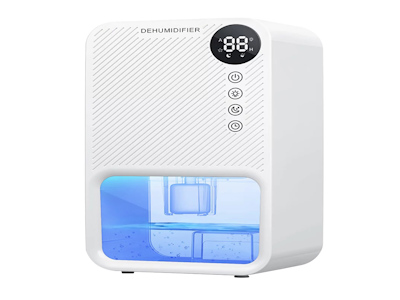
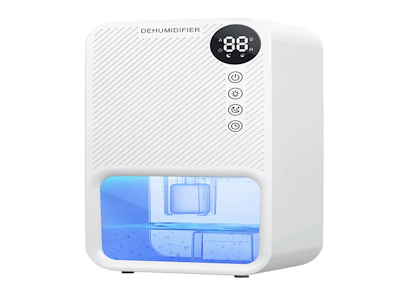
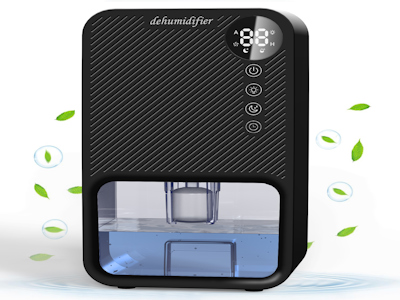
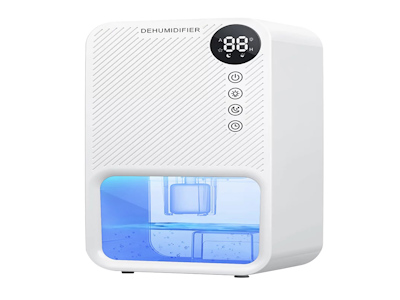
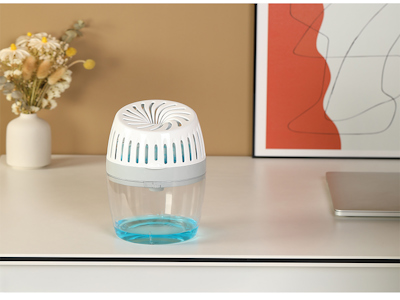
Dehumidifiers are powerful tools in the fight against basement moisture. They work by extracting excess moisture from the air, reducing the risk of condensation and mold. Choose a dehumidifier based on the size of your basement and the humidity levels. For small spaces, a portable unit may suffice, but for larger basements, consider a whole-house model integrated into your HVAC system. Aim to maintain relative humidity between 30% and 50%. Use a hygrometer to monitor levels and set your dehumidifier accordingly. Place the dehumidifier in a central location for optimal air circulation, and empty the water reservoir regularly or connect it to a drain for continuous operation. Additionally, combine dehumidification with other methods like ventilation for best results. Modern dehumidifiers come with energy-efficient features and smart controls, allowing you to automate the process. By consistently controlling humidity, you'll protect your belongings and ensure a comfortable environment.
Prevention is better than cure, and regular inspections are key to maintaining a dry basement. Schedule seasonal check-ups, especially after winter or heavy rains, to look for signs of water intrusion, such as damp spots, cracks, or musty odors. Inspect the exterior for soil erosion or pooling water near the foundation. Inside, check for leaks in plumbing pipes, and ensure that appliances like water heaters are not contributing to moisture. Clean gutters and downspouts biannually to prevent clogs. If you have a sump pump, test it periodically by pouring water into the pit to ensure it activates. Keep records of your inspections to track changes over time. Addressing small issues early can prevent major repairs later. For example, sealing a minor crack with epoxy can stop it from widening. Consider hiring a professional for an annual inspection if you're unsure. Consistent maintenance will extend the life of your basement and save you from unexpected expenses.
When finishing or renovating your basement, choose materials that resist moisture to prevent future problems. Opt for waterproof or water-resistant options like vinyl plank flooring, ceramic tile, or sealed concrete instead of carpet, which can trap moisture and promote mold. For walls, use moisture-resistant drywall (often green or purple) or cement board, and avoid standard drywall that can deteriorate when wet. Insulate with closed-cell spray foam, which acts as a vapor barrier, rather than fiberglass batts that can hold moisture. Paint with mold-inhibiting paints that contain antimicrobial agents. Additionally, ensure proper sealing around windows and doors to prevent air leaks. If you're adding furniture, select items made from metal or plastic rather than wood, which can warp or rot. By investing in the right materials, you'll create a basement that not only looks great but also stands up to humidity challenges, reducing the need for frequent repairs.
Leaks and cracks are common entry points for water in basements. Address them promptly to prevent escalation. For small cracks in walls or floors, use hydraulic cement or epoxy injections to seal them. These materials expand as they cure, creating a tight seal. For larger cracks or structural issues, consult a professional to assess and repair, possibly with carbon fiber straps or wall anchors. Check for leaks around windows, doors, and plumbing fixtures – apply caulk or weather stripping to seal gaps. If you notice water seepage during rains, it might indicate poor exterior drainage, so combine repairs with improvements to your drainage system. Remember, even tiny cracks can worsen over time due to freeze-thaw cycles or soil movement, so don't delay fixes. Regular inspections help catch problems early. By acting quickly, you'll maintain the integrity of your basement and avoid costly water damage restoration.
Believe it or not, plants and certain appliances can influence your basement's humidity. While plants like ferns or peace lilies can help purify air, they also release moisture through transpiration, so use them sparingly or choose low-moisture varieties. On the other hand, appliances like dryers or boilers can add humidity if not properly vented. Ensure that dryer vents exhaust outside and are not blocked. If you use your basement for laundry, consider a ventless dryer or improve ventilation in that area. Additionally, using air purifiers with HEPA filters can reduce mold spores and improve air quality. Monitor temperature as well; keeping the basement slightly warmer can reduce condensation. Aim for a consistent temperature between 18-22°C. By managing these elements, you'll create a balanced microclimate that discourages moisture accumulation and promotes a healthy environment.
For a permanently dry basement, think long-term and don't hesitate to seek professional help when needed. Develop a maintenance plan that includes regular tasks like cleaning, inspecting, and updating systems. Budget for potential upgrades, such as installing a better drainage system or replacing old waterproofing. If problems persist despite your efforts, hire a certified inspector or contractor specializing in basement waterproofing. They can perform advanced diagnostics, like moisture mapping or camera inspections, to identify hidden issues. Professionals might recommend solutions like exterior waterproofing membranes or interior drainage systems with warranties. Also, stay informed about new technologies and products in the market. Remember, investing in professional assistance early can prevent disasters and ensure your basement remains dry for years to come. With careful planning and expert advice, you'll enjoy a functional, worry-free space.
В заключение, поддержание сухого подвала – это достижимая цель с помощью этих 10 секретов. От понимания причин влажности до долгосрочного планирования, каждый шаг важен для создания здорового и durable пространства. Начните с оценки вашей текущей ситуации, реализуйте советы постепенно, и не забывайте о регулярном обслуживании. Сухой подвал не только защищает ваш дом от повреждений, но и предоставляет дополнительную жилую площадь для вашей семьи. Если у вас есть вопросы или нужна дополнительная помощь, обращайтесь к профессионалам. Спасибо за чтение, и удачи в ваших усилиях по созданию идеального подвала!
Для более подробной информации или консультации, свяжитесь с нашими экспертами. Помните, профилактика всегда дешевле ремонта!
 Горячая линия:


 1388xx888xx