
Время публикации:2025-12-04 12:01:10
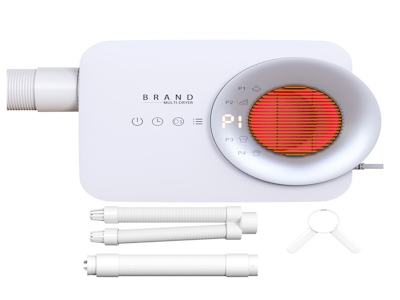
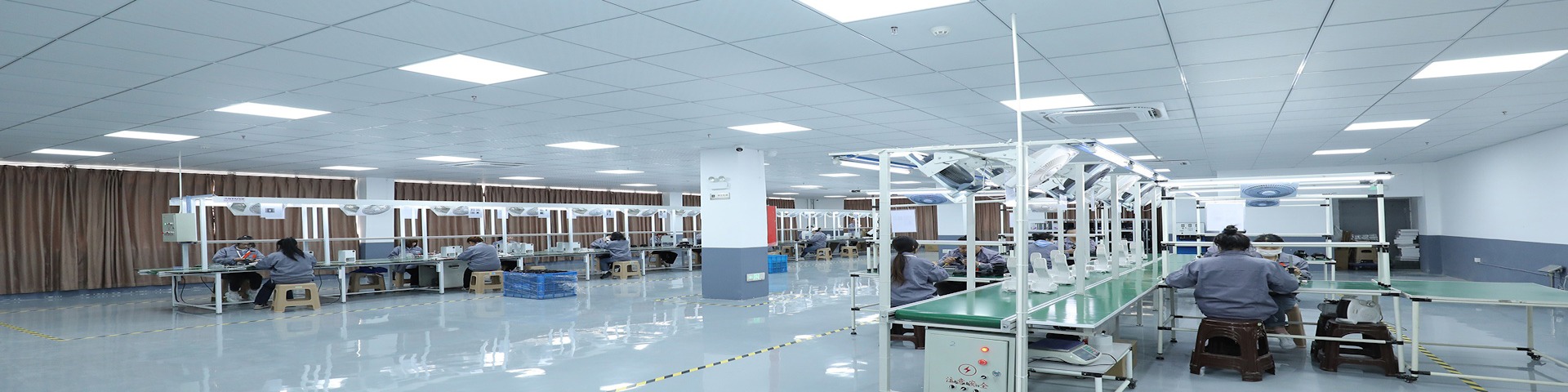
Промышленные цеха часто сталкиваются с проблемой повышенной влажности, которая может негативно влиять на производственные процессы, оборудование и качество продукции. Современные технологии осушения предлагают эффективные решения для контроля влажности, обеспечивая оптимальные условия работы. В этой статье мы рассмотрим основные методы, оборудование и преимущества современных систем осушения, а также дадим практические рекомендации по их внедрению.
Влажность воздуха в промышленных цехах может возникать из-за различных факторов, таких как технологические процессы, климатические условия или недостаточная вентиляция. Высокая влажность приводит к коррозии металлического оборудования, порче материалов, росту плесени и бактерий, что в конечном итоге снижает производительность и увеличивает затраты на обслуживание. Например, в пищевой промышленности избыточная влажность может вызвать конденсацию на упаковке, приводящую к порче продуктов. В металлообрабатывающих цехах влажность ускоряет ржавление инструментов и деталей, требуя частой замены и повышая эксплуатационные расходы.
Кроме того, высокая влажность негативно сказывается на здоровье работников, увеличивая риск респираторных заболеваний и дискомфорта. Это может привести к снижению мотивации и производительности труда. Поэтому контроль влажности является критически важным аспектом для обеспечения безопасности, эффективности и экономической устойчивости промышленных предприятий.
Исторически, для осушения использовались простые методы, такие как естественная вентиляция или нагревание воздуха, но они часто оказываются недостаточными в условиях современного производства. С развитием технологий появились более sophisticated системы, способные точно регулировать уровень влажности с минимальными энергозатратами. Эти системы интегрируются в общую инфраструктуру цеха, обеспечивая непрерывный мониторинг и автоматическое управление.
В современном мире, где конкуренция на рынке высока, предприятия вынуждены искать ways to optimize processes and reduce costs. Effective humidity control not only protects equipment and products but also contributes to energy savings and environmental sustainability. For instance, by reducing humidity, companies can lower the load on heating and cooling systems, which account for a significant portion of industrial energy consumption.
This article aims to provide a comprehensive overview of modern dehumidification technologies, their applications, and benefits. We will explore different types of dehumidifiers, their working principles, and how to choose the right system for specific industrial needs. Additionally, we will discuss integration with existing HVAC systems, maintenance tips, and future trends in dehumidification technology.
Существует несколько методов осушения воздуха, каждый из которых имеет свои преимущества и limitations. The most common methods include condensation dehumidification, adsorption dehumidification, and hybrid systems. Condensation dehumidifiers work by cooling the air below its dew point, causing moisture to condense and be removed. This method is highly effective in environments with moderate to high temperatures and humidity levels, such as in food processing or pharmaceutical industries.
Adsorption dehumidifiers use desiccants like silica gel or lithium chloride to absorb moisture from the air. These systems are particularly useful in low-temperature environments or where very low humidity levels are required, such as in electronic manufacturing or storage facilities. Hybrid systems combine both condensation and adsorption methods to achieve optimal performance across a wide range of conditions.
Another emerging method is the use of membrane-based dehumidification, which utilizes semi-permeable membranes to separate water vapor from air. This technology is still in development but promises high energy efficiency and compact design. Each method has its specific applications, and the choice depends on factors like the size of the area, desired humidity level, energy availability, and cost constraints.
In addition to these, there are passive methods such as improving insulation and ventilation to reduce moisture ingress. However, for industrial settings, active dehumidification systems are often necessary to maintain precise control. The selection of the right method should be based on a thorough assessment of the industrial process requirements and environmental conditions.
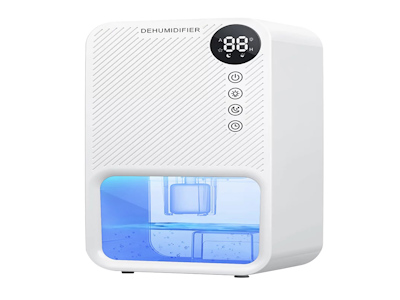
Современное оборудование для осушения включает в себя различные типы осушителей, такие как портативные units, central systems, and custom-built solutions. Portable dehumidifiers are ideal for small areas or temporary applications, offering flexibility and ease of use. They are commonly used in construction sites or during maintenance periods.
Central dehumidification systems are integrated into the building's HVAC infrastructure, providing large-scale humidity control for entire facilities. These systems often feature advanced sensors and automation, allowing for real-time monitoring and adjustment. For example, in a large manufacturing plant, a central system can be programmed to maintain humidity levels within a narrow range, ensuring consistent product quality.
Custom-built solutions are designed for specific industrial applications, such as in clean rooms or hazardous environments. These systems may include specialized materials and components to withstand corrosive conditions or meet strict regulatory standards. Key characteristics to consider when selecting equipment include capacity (measured in liters per day), energy efficiency (e.g., Energy Star ratings), noise levels, and maintenance requirements.
Technological advancements have led to the development of smart dehumidifiers with IoT connectivity, enabling remote control and data analytics. These devices can predict maintenance needs, optimize energy usage, and integrate with other smart building systems. For instance, they can adjust operation based on occupancy sensors or weather forecasts, further enhancing efficiency.
When choosing equipment, it is essential to consult with experts to ensure compatibility with existing systems and to perform a cost-benefit analysis. Investing in high-quality, energy-efficient dehumidifiers can lead to significant long-term savings by reducing energy bills and minimizing downtime due to equipment failure.
Современные системы осушения предлагают numerous benefits for industrial workshops. Firstly, they protect valuable equipment and inventory from moisture-related damage, extending lifespan and reducing replacement costs. For example, in a woodworking shop, maintaining low humidity prevents warping and cracking of wood products, ensuring high-quality output.
Secondly, these systems improve indoor air quality, creating a healthier work environment for employees. This can lead to reduced absenteeism and higher productivity. Additionally, by controlling humidity, companies can comply with industry regulations and standards, such as those in the pharmaceutical or food sectors, where precise environmental conditions are mandated.
Energy efficiency is another key advantage. Modern dehumidifiers are designed to consume less power while delivering high performance. Some models use heat recovery systems to reuse energy, further lowering operational costs. For instance, in a large warehouse, an energy-efficient dehumidifier can save thousands of dollars annually on electricity bills.
Moreover, advanced systems offer scalability and flexibility, allowing businesses to adapt to changing needs. They can be easily upgraded or integrated with other technologies, such as renewable energy sources or automation platforms. This future-proofing ensures that investments remain valuable over time.
Finally, effective humidity control contributes to sustainability efforts by reducing waste and energy consumption. Companies that implement green technologies often enhance their brand image and attract environmentally conscious customers and partners.
Для успешного внедрения систем осушения в промышленных цехах необходимо следовать several practical steps. Begin with a thorough assessment of the current humidity levels and sources of moisture. Use hygrometers and data loggers to collect accurate measurements over time, identifying peak periods and problem areas.
Next, consult with professionals to select the appropriate technology and equipment based on your specific needs. Consider factors like the size of the space, desired humidity range, budget, and energy sources. It's also important to plan for integration with existing HVAC systems to avoid conflicts and ensure seamless operation.
During installation, ensure proper placement of dehumidifiers for optimal airflow and coverage. Avoid obstacles that could block air intake or exhaust, and consider the noise impact on workers. For large facilities, a phased implementation approach may be beneficial, starting with critical areas and expanding gradually.
Training staff on operation and maintenance is crucial. Provide clear instructions on how to monitor the system, perform basic troubleshooting, and schedule regular maintenance. Many modern systems come with user-friendly interfaces and remote monitoring capabilities, making it easier to manage.
Finally, monitor performance post-installation and make adjustments as needed. Use data analytics to track energy usage, humidity levels, and equipment health, and be prepared to upgrade or expand the system as your business grows. Regular audits can help identify opportunities for further optimization.
Будущее технологий осушения выглядит promising, with trends pointing towards greater automation, energy efficiency, and integration with smart systems. The adoption of IoT and AI will enable predictive maintenance, where systems can anticipate failures and schedule repairs before issues arise, minimizing downtime.
Renewable energy sources, such as solar or wind power, are being integrated into dehumidification systems to reduce carbon footprints. For example, solar-powered dehumidifiers are already available for off-grid applications, and this trend is expected to grow as technology advances.
New materials and designs are also emerging, such as nanostructured desiccants or advanced membranes, which offer higher efficiency and smaller footprints. Research in phase-change materials could lead to systems that store and release energy more effectively, further enhancing performance.
Additionally, there is a growing focus on circular economy principles, with manufacturers designing equipment for easier recycling and reuse. This aligns with global sustainability goals and reduces environmental impact.
As industries continue to evolve, dehumidification technology will play a critical role in enabling new processes, such as additive manufacturing or biotechnology, where precise environmental control is essential. Staying informed about these trends will help businesses make informed decisions and maintain a competitive edge.
В заключение, современные технологии осушения предоставляют мощные инструменты для управления влажностью в промышленных цехах, offering benefits such as equipment protection, improved air quality, energy savings, and regulatory compliance. By understanding the available methods and equipment, and following best practices for implementation, businesses can achieve significant improvements in efficiency and cost-effectiveness.
The future holds even greater potential with advancements in smart technology and sustainability. Investing in modern dehumidification systems is not just a necessity for maintaining operational integrity but also a strategic move towards long-term growth and environmental stewardship. We encourage industrial operators to explore these technologies and seek expert guidance to tailor solutions to their specific needs.
Remember, effective humidity control is an investment that pays dividends in enhanced productivity, reduced costs, and a safer work environment. Embrace innovation and stay ahead in the competitive industrial landscape.
 Горячая линия:
 1388xx888xx